
Machine Learning–Guided Thermal Design of Hemp–Lime Composites
Machine Learning–Guided Thermal Design of Hemp–Lime Composites
Buildings are responsible for roughly 30% of global carbon emissions — and the materials we build with are a major part of the problem. But swapping in low-carbon alternatives isn't enough. What matters is how a material's thermal properties interact with climate and building physics.
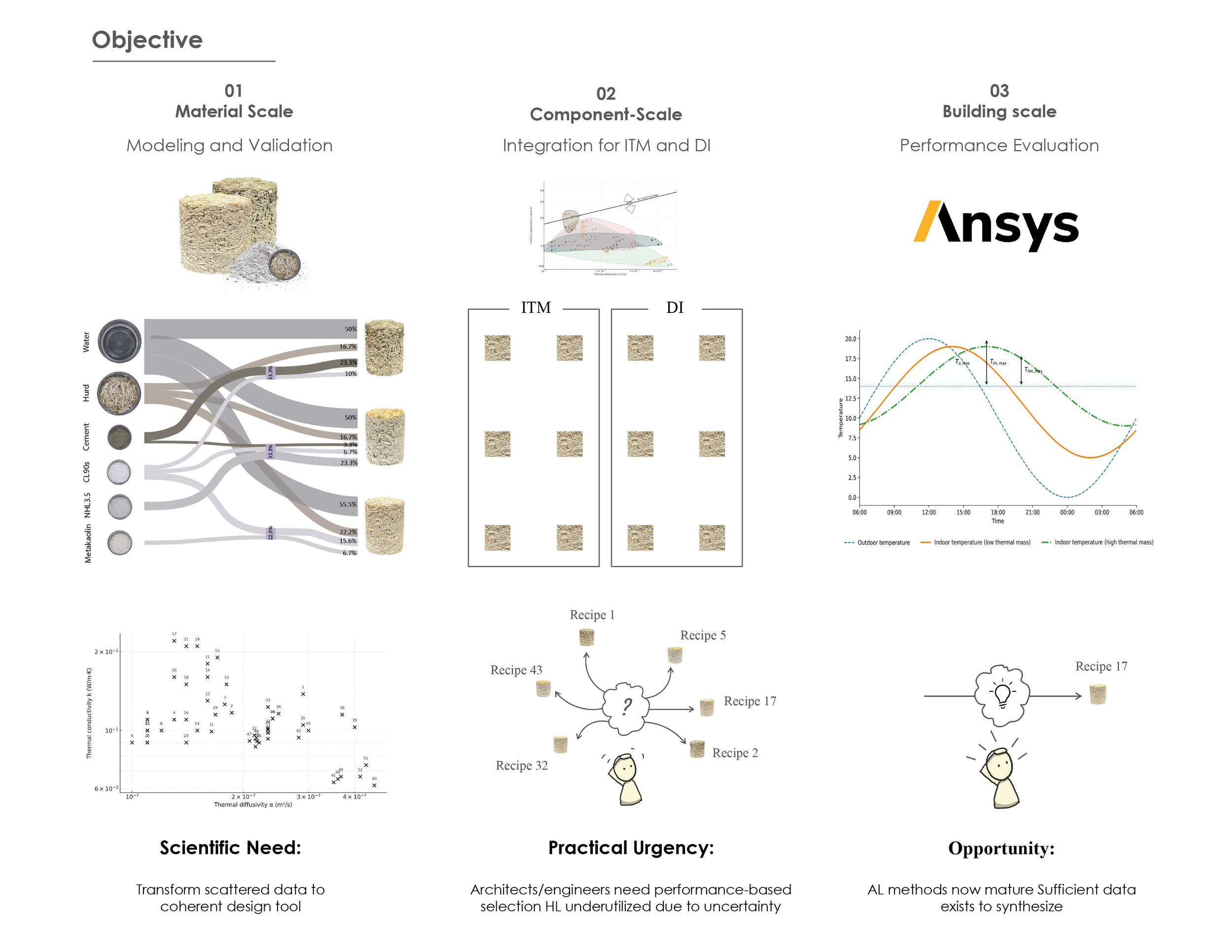
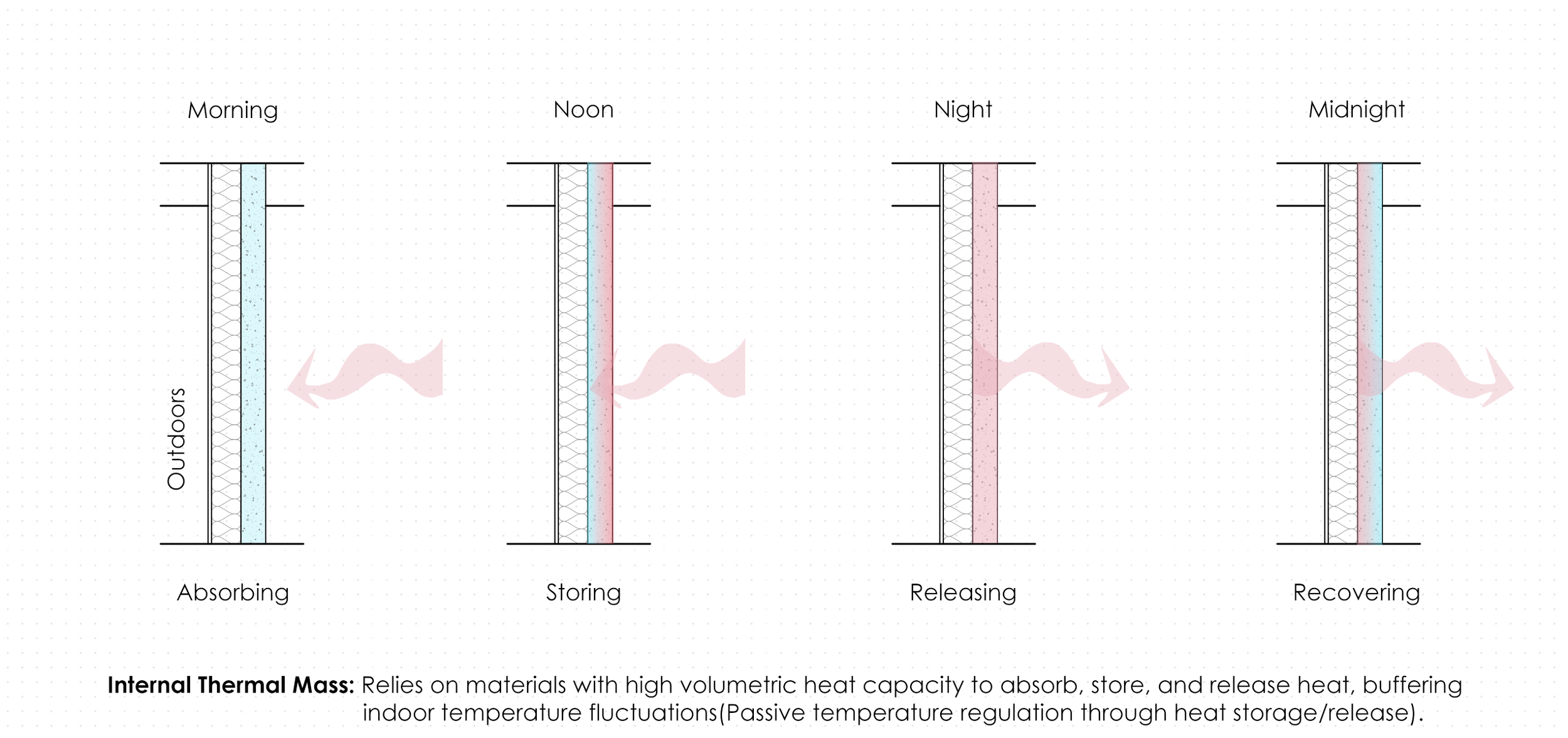
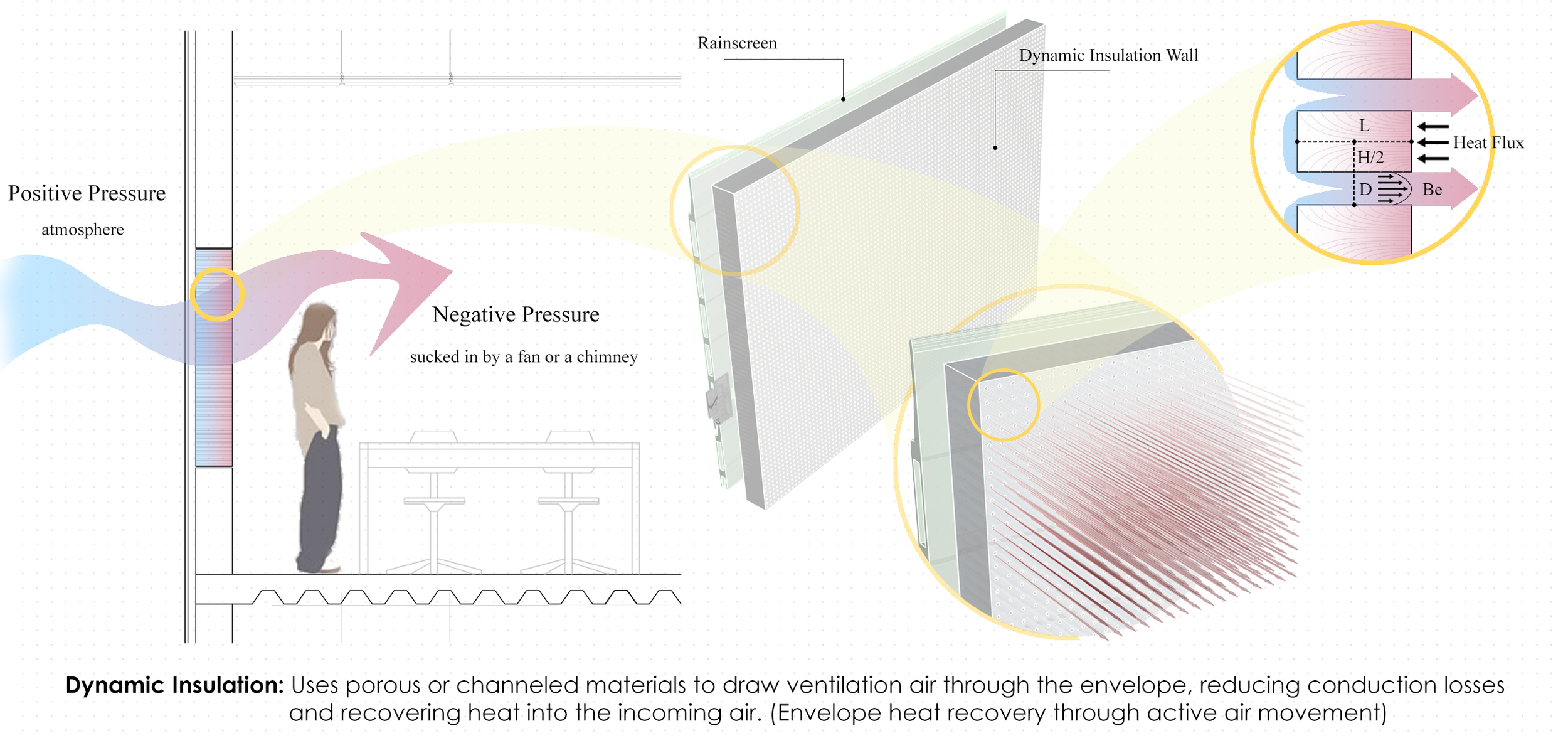
This research reframes hemp–lime (HL) not as a fixed insulation product but as a tunable biocomposite — one that can be dialed between two distinct passive thermal strategies: internal thermal mass (ITM) and dynamic insulation (DI). Which regime a formulation favors depends not on wall thickness but on the interplay of thermal conductivity, volumetric heat capacity, and diffusivity.
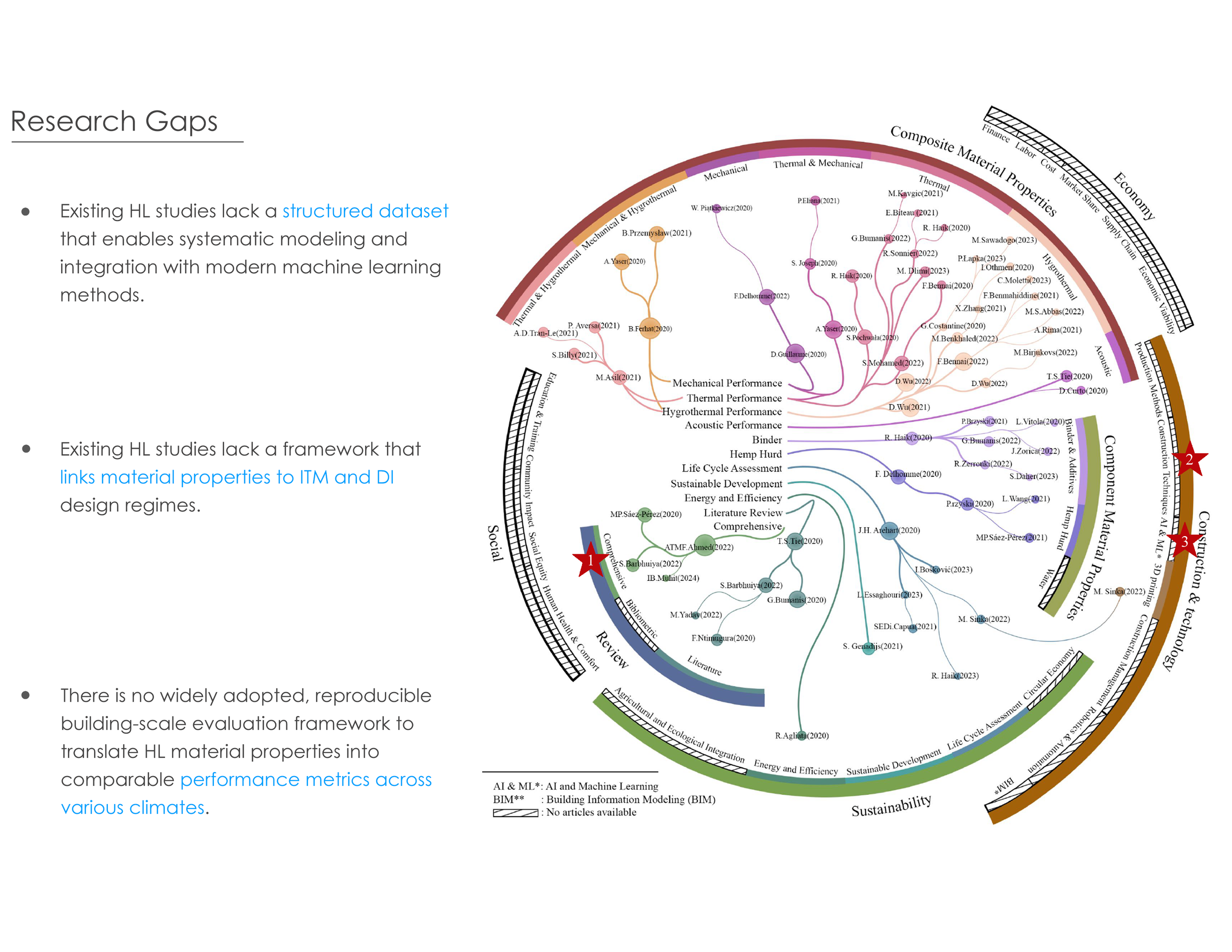
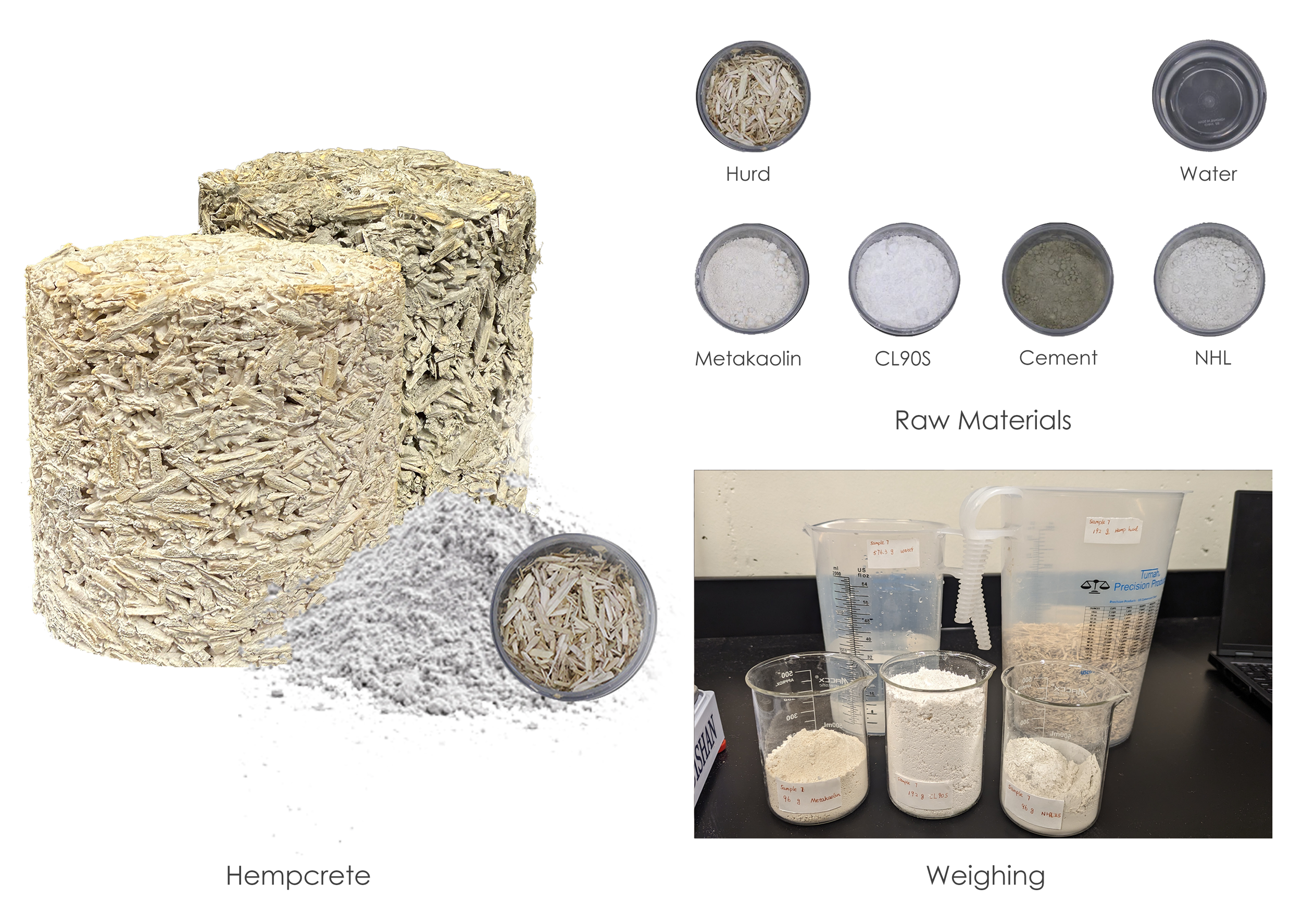
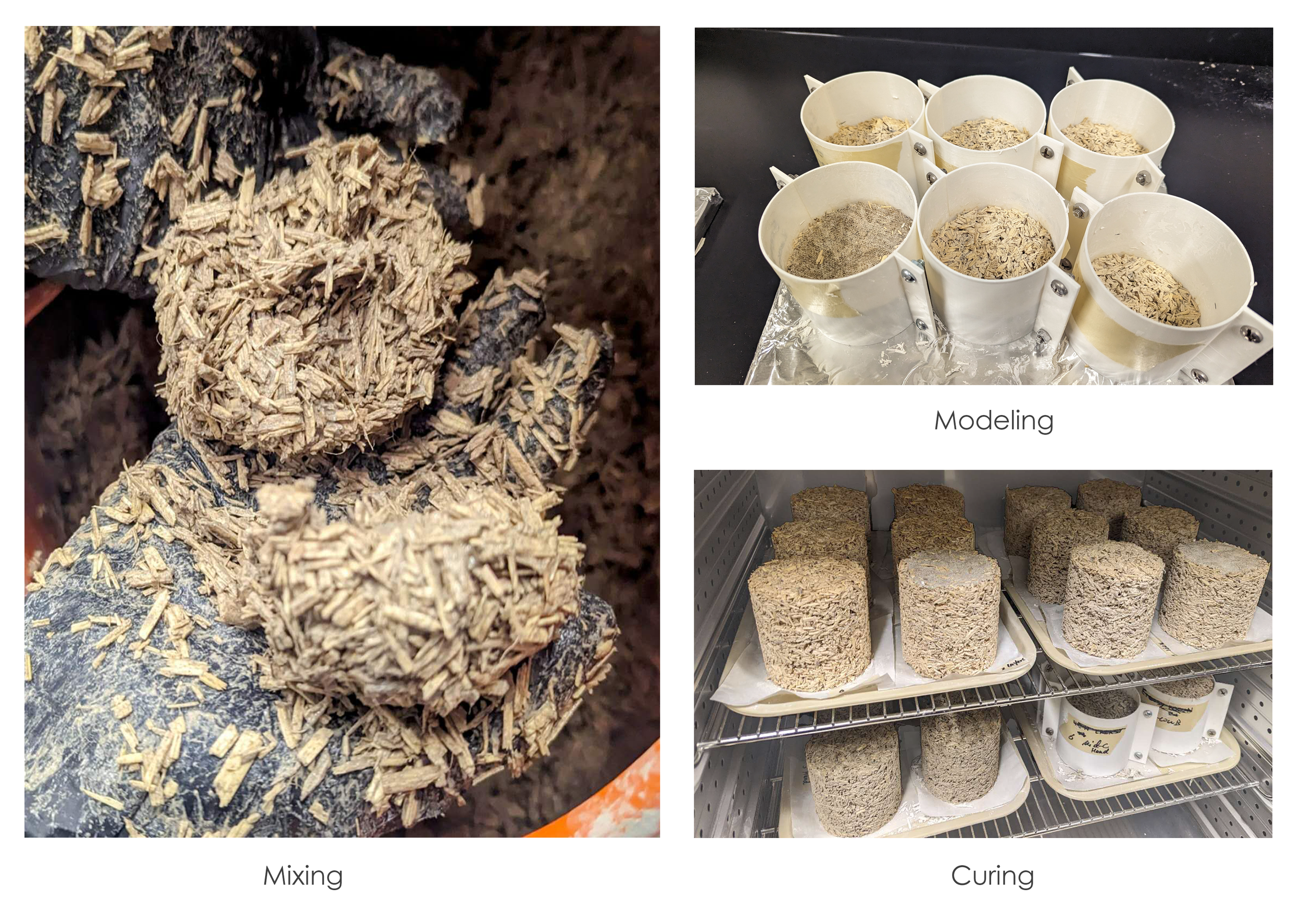
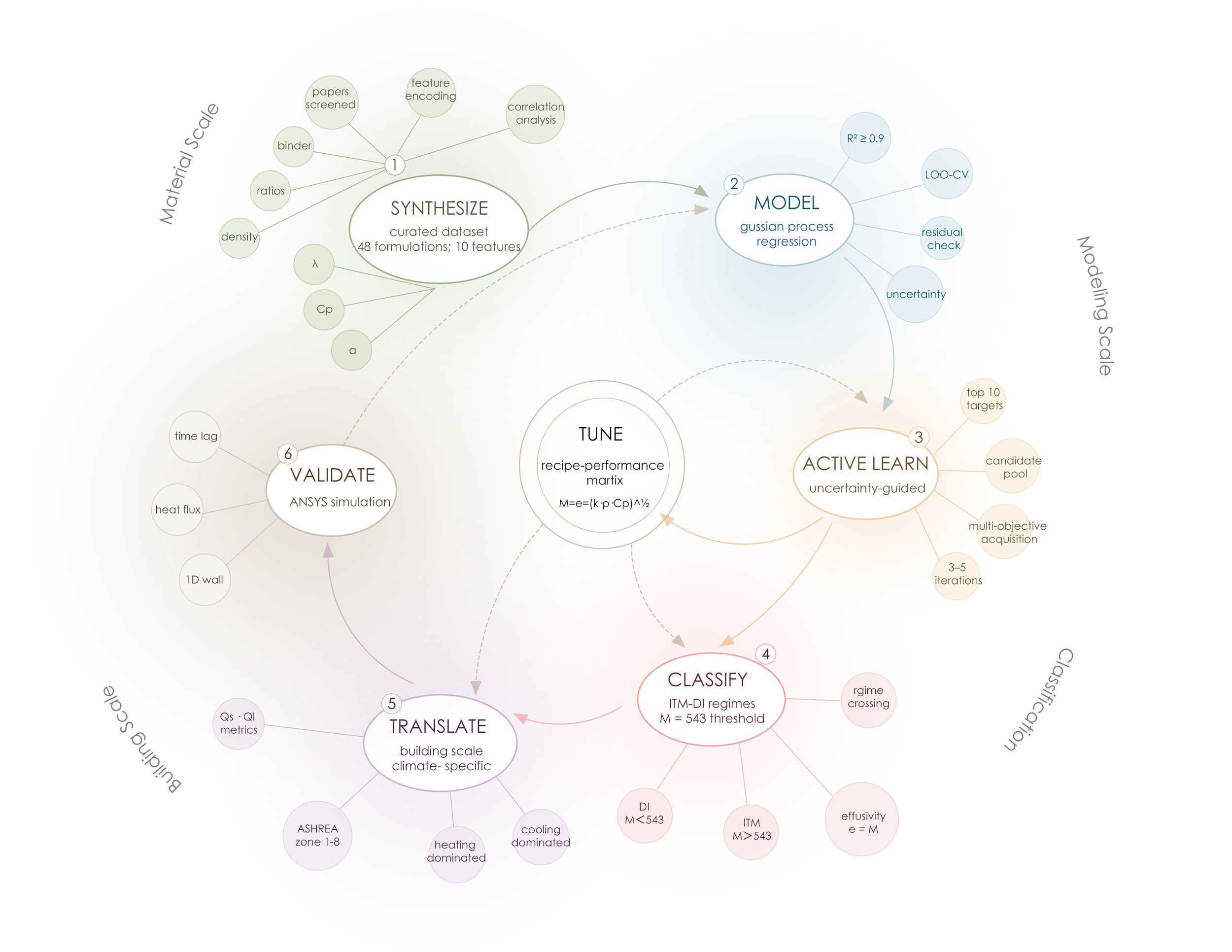
To navigate that space systematically, the project builds a recipe–performance matrix tying binder chemistry, density, and binder–hurd–water ratios to key thermal properties (λ, Cₚ, α). Because experimental data remain sparse, Gaussian Process Regression paired with Active Learning iteratively sharpens predictions and flags high-impact formulations. The result: a coherent surrogate model that turns fragmented lab results into a predictive engine for untested compositions.
From there, material-scale predictions scale up to building-level metrics — stored heat, lost heat, and time-lag behavior under climate-specific conditions. The findings show that targeted shifts in formulation can push HL toward either the DI or ITM regime without adding wall thickness, recasting the building envelope as a thermally programmable interface rather than a static assembly.
By fusing bio-based material science, heat-transfer physics, and data-driven optimization, this work positions hemp–lime as a programmable thermal medium — one that responds to climate through composition, not mass.
Project Date: 2023-Present
Researchers: Yehong Mi, Arta Yazdanseta
Collaborator: Yinan Wang