
Hemp Retrofit Siding (HeRS)
Hemp Retrofit Siding (HeRS)
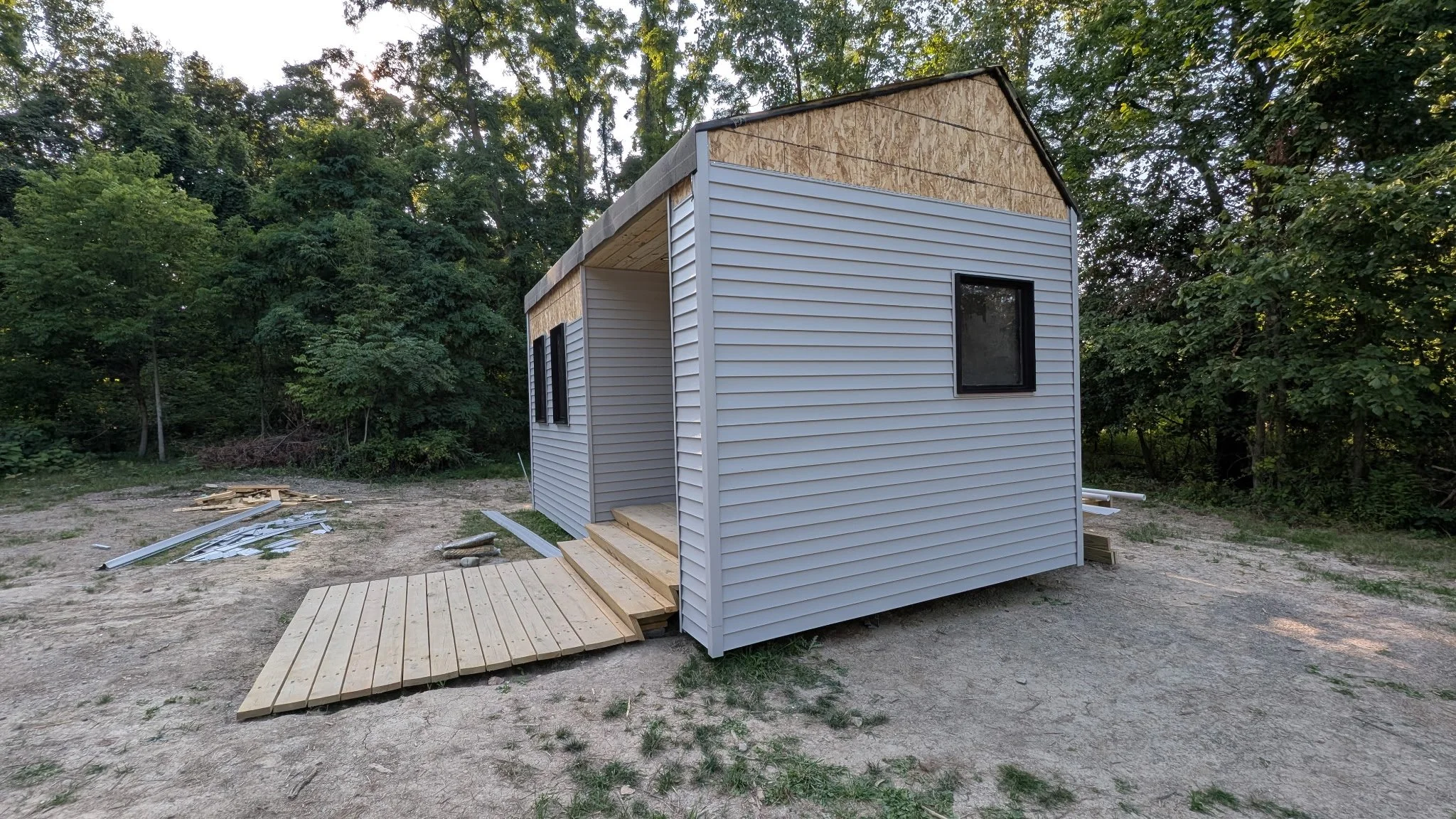
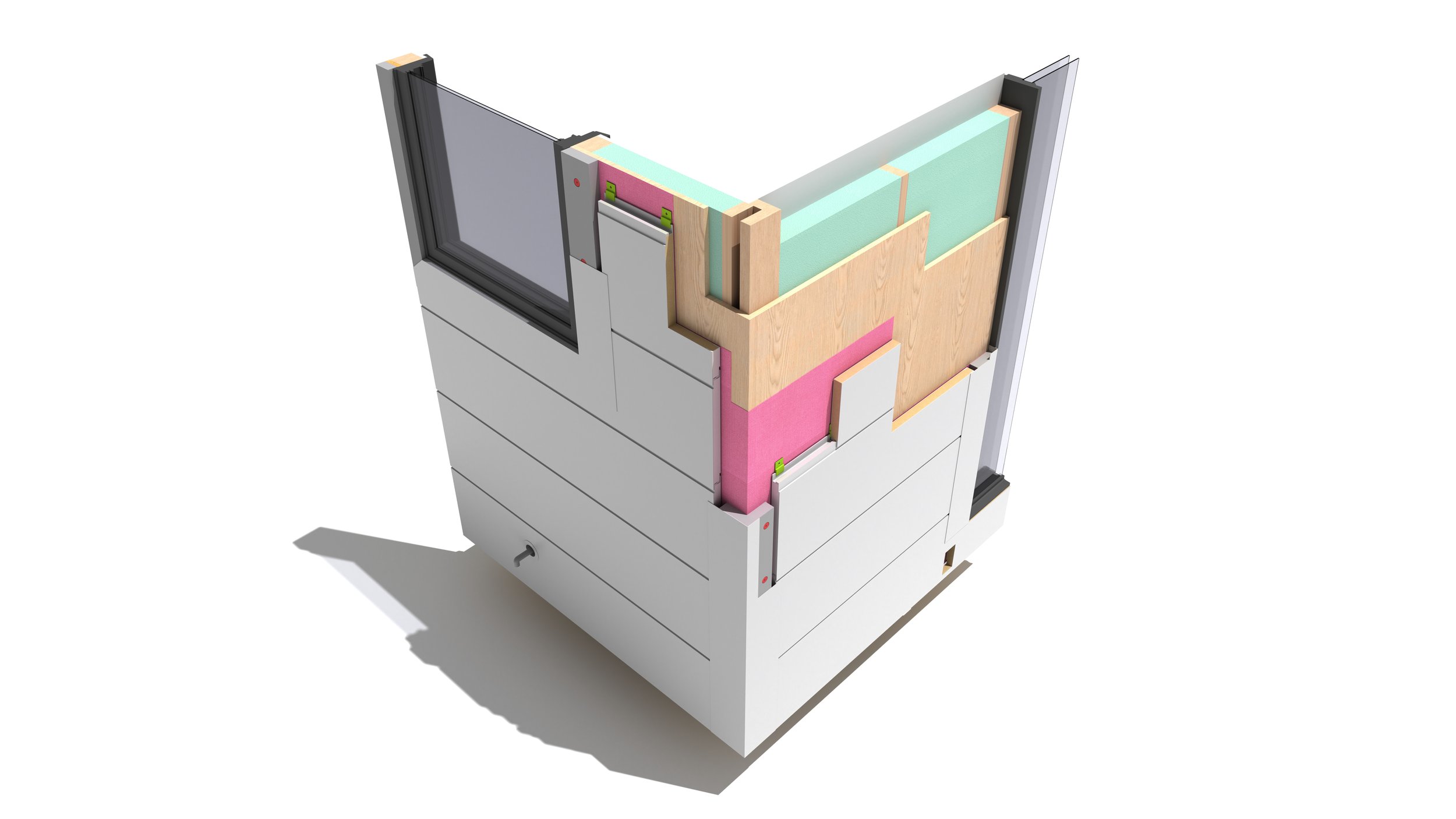
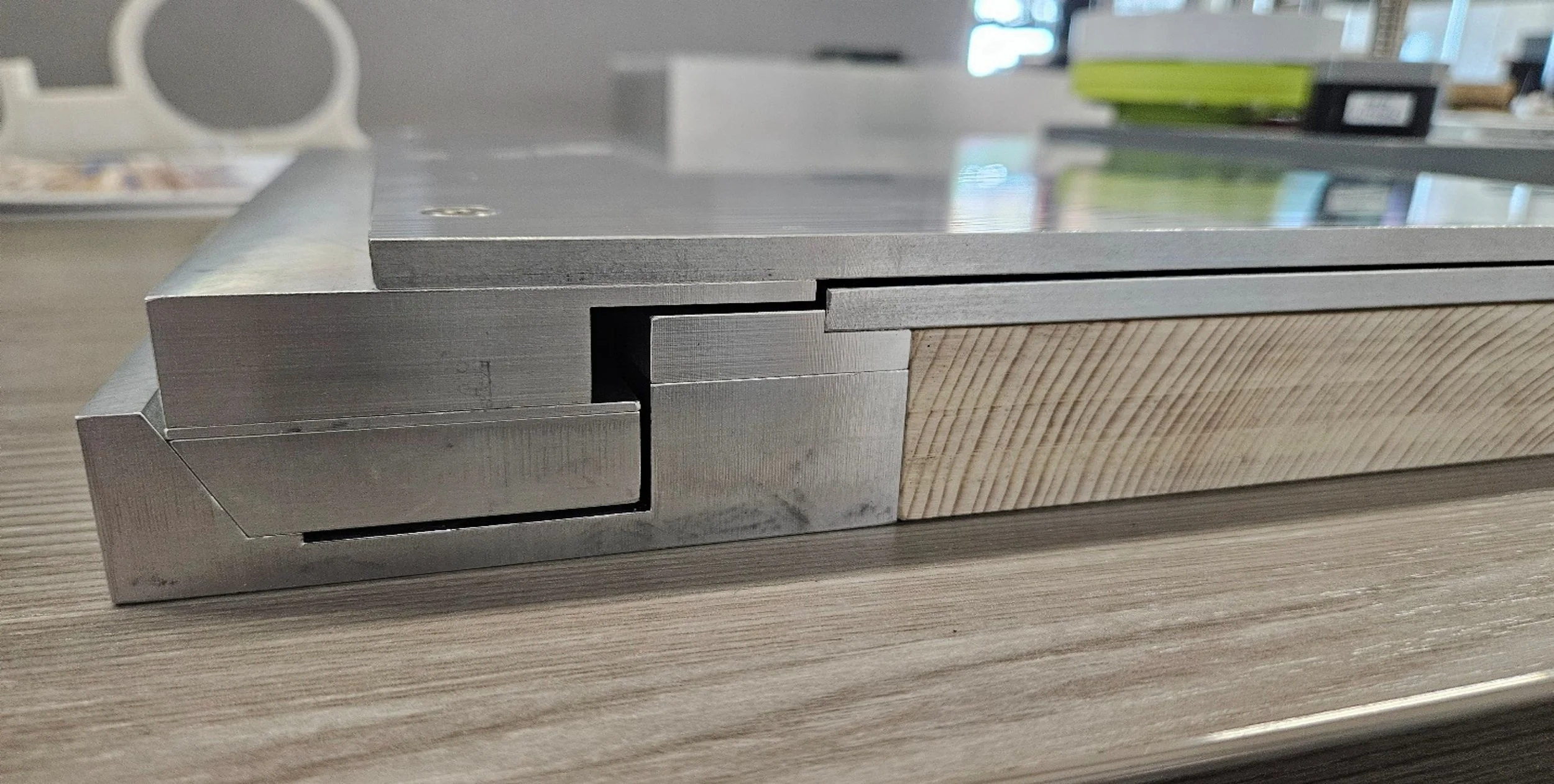
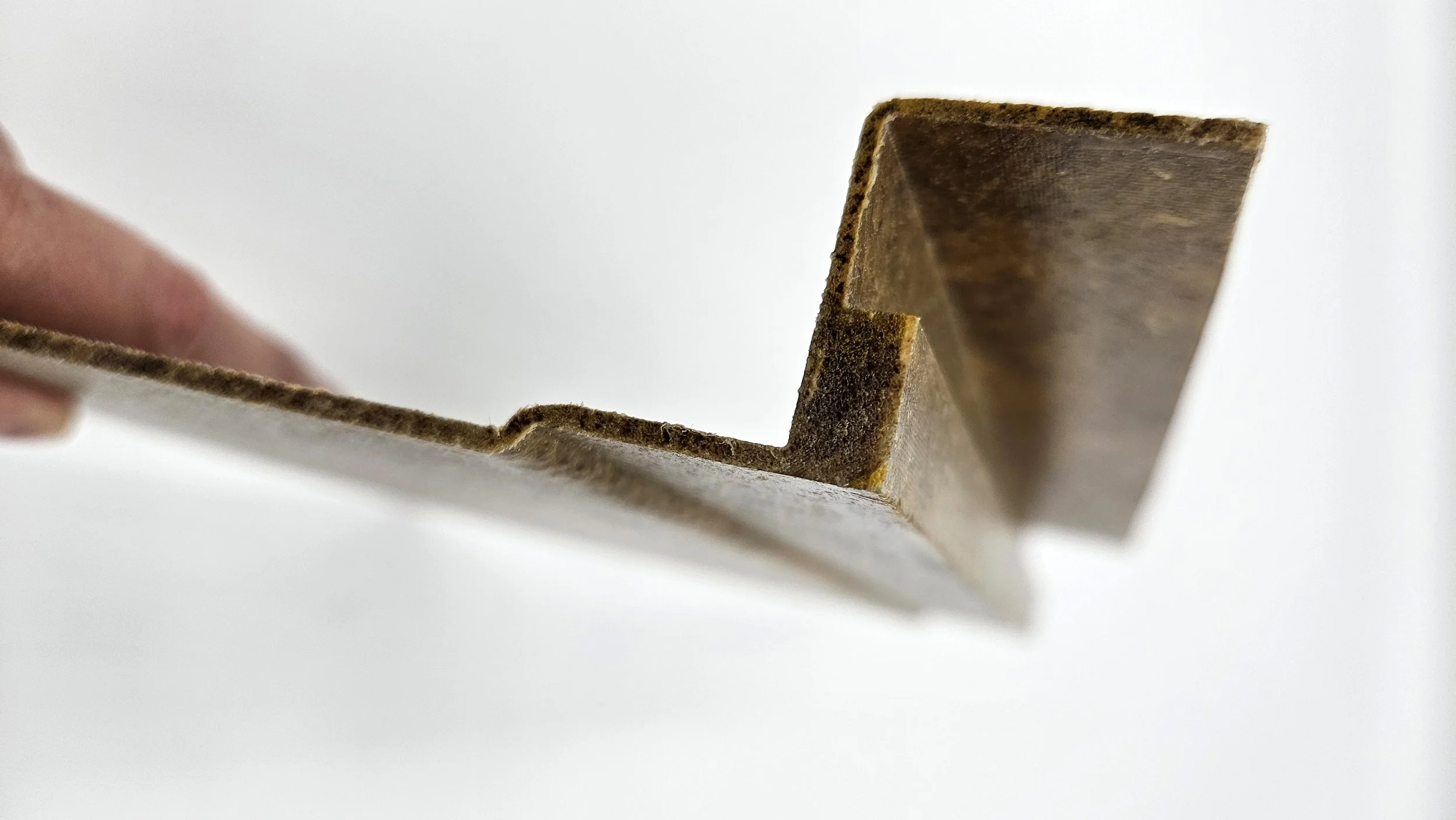
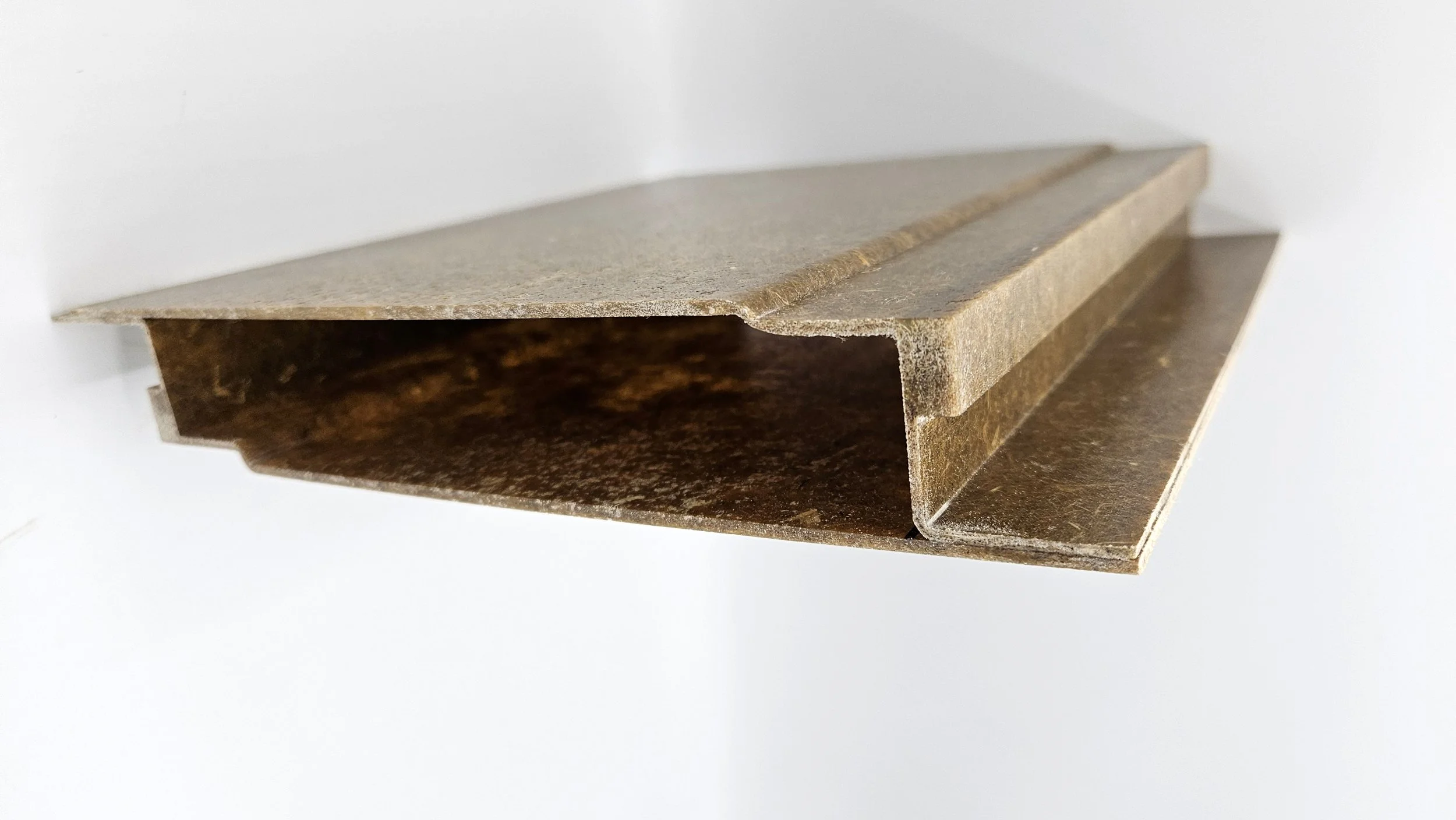
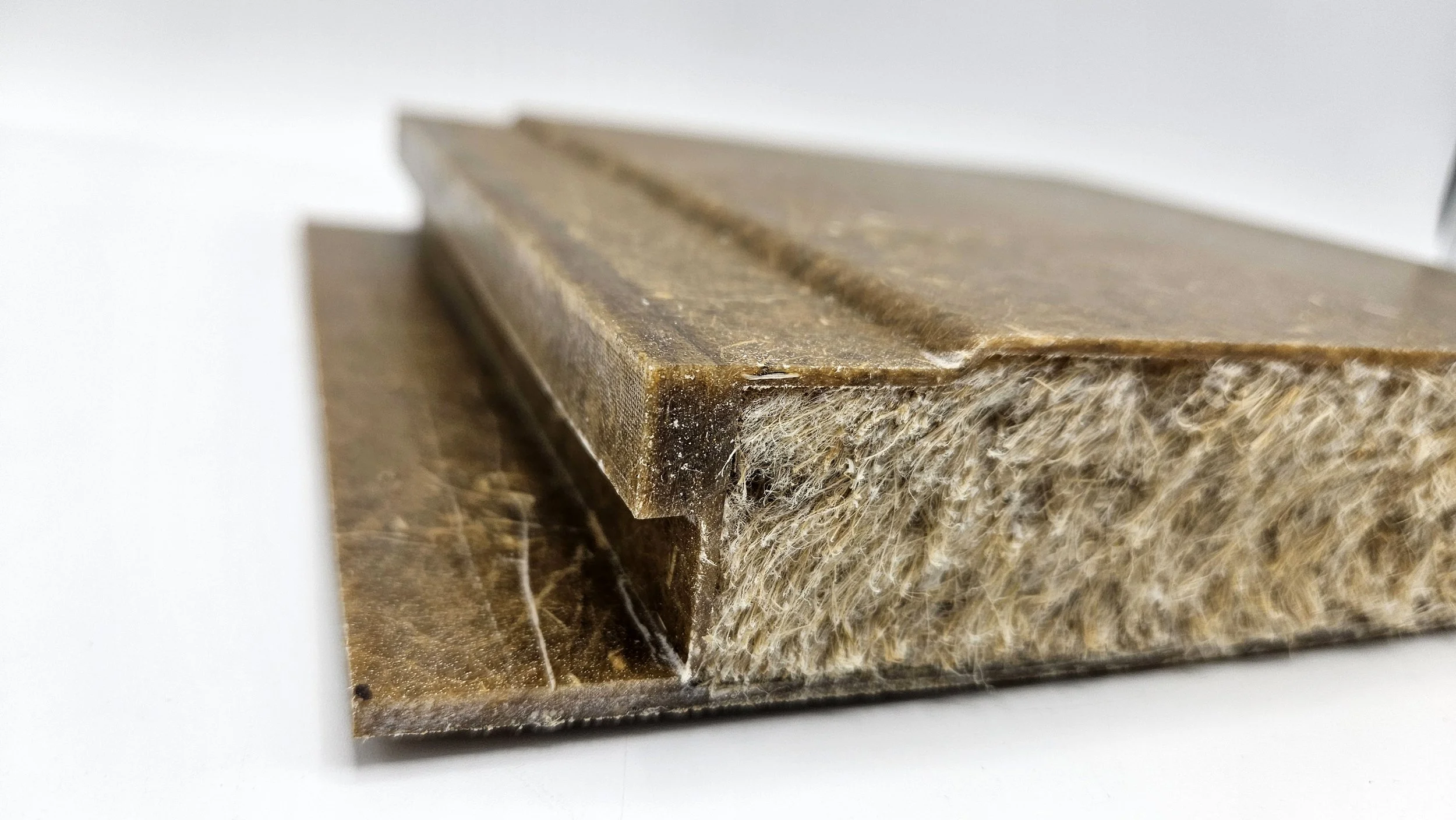
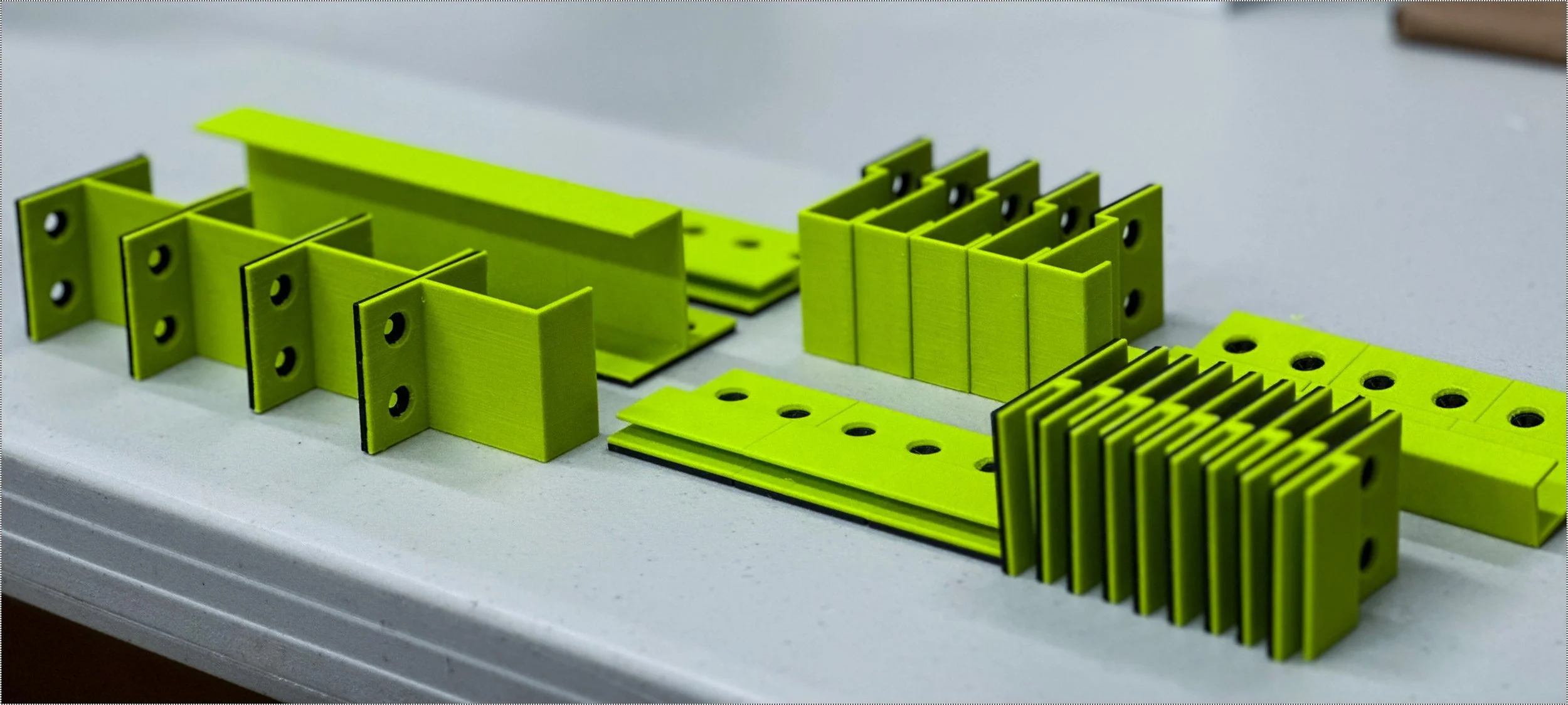
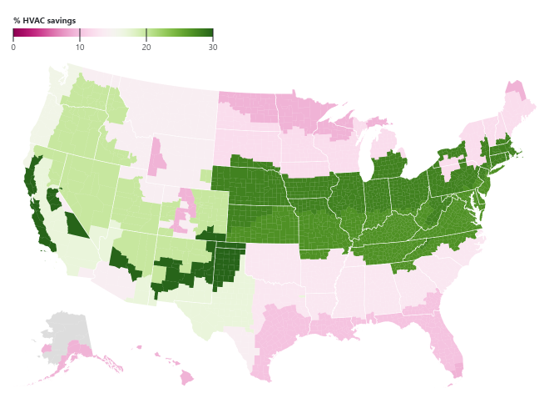
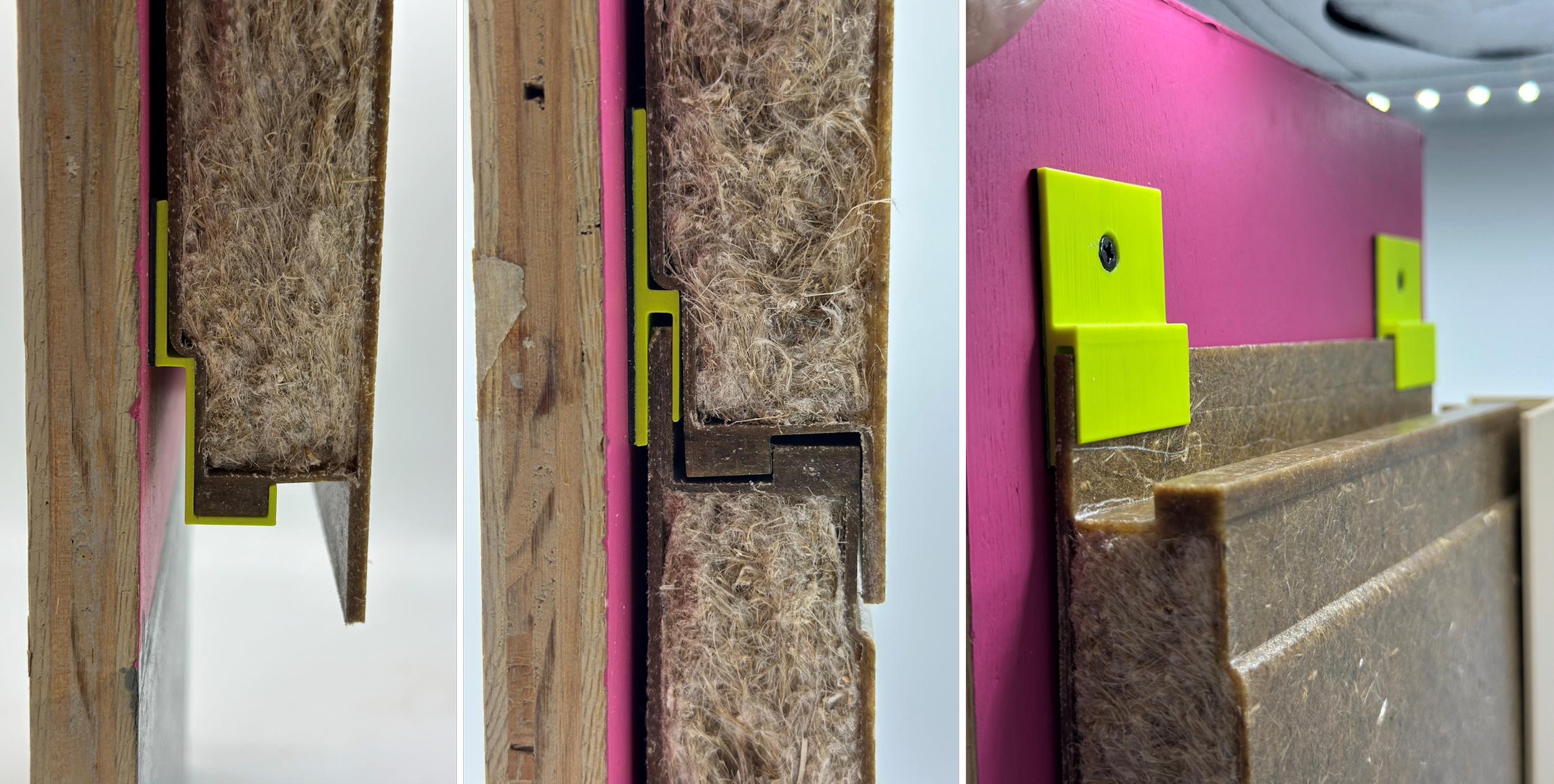
Hemp Retrofit Siding (HeRS) is a low‑embodied‑carbon, hemp‑based insulated cladding system designed to accelerate residential building decarbonization. The project advances a commercially viable, installation‑friendly, and durable retrofit technology manufactured from natural fibers, targeting 15–25% HVAC energy savings in homes built under outdated energy codes. Drawing on expertise in architectural design, supply‑chain risk management, material and building science, bio‑composite manufacturing, and whole‑building energy simulation, the team is developing an insulated siding panel that uses hemp fiber for both core and skin materials. The system mirrors the form factor of conventional siding products and is engineered to meet a cost premium of approximately $1/ft² over the industry standard $3–7/ft² installed cost.
Performance targets include simplified logistics, a total installed thickness under 1½ inches, and an effective R‑value above 5. Central to the project is the demonstration of a substantially reduced embodied‑carbon footprint relative to comparable synthetic cladding systems. The team will also conduct a supply‑chain viability study to evaluate how U.S.‑grown hemp fiber can be integrated into HeRS manufacturing, highlighting the broader economic potential of regional bio‑material production across agriculture, processing, manufacturing, and construction sectors.
Rensselaer Polytechnic Institute’s Center for Architecture, Science, and Ecology leads a multidisciplinary consortium that includes Hempitecture, a national leader in hemp‑fiber insulation; Durasip, a manufacturer of fiber‑reinforced composite skins; Introba, a global engineering firm specializing in advanced building systems; and RPI faculty from Architecture, Materials Science, Mechanical Engineering, and Business.
Project Impact
Residential buildings represent 60% of the built surface area in the United States, with the majority constructed before modern energy‑efficiency standards. While operational‑carbon reductions have advanced through renewable energy and improved building design, embodied‑carbon reductions remain limited. HeRS addresses both challenges by delivering a cost‑effective, easy‑to‑install envelope retrofit that improves thermal performance while replacing carbon‑intensive materials with a rapidly renewable, carbon‑sequestering crop.
By relying on locally grown and processed hemp fiber, the project has the potential to stimulate regional bio‑material economies. Increased demand for hemp‑derived building products can support new agricultural markets, expand processing capacity, and create skilled jobs across farming, fiber extraction, panel manufacturing, and construction. HeRS demonstrates how renewable‑material technologies can simultaneously reduce emissions, strengthen domestic supply chains, and broaden economic participation in emerging sustainable‑materials industries.
Project Date: 2024-Present
Researchers: Alexandros Tsamis, Daniel Walczyk, Arta Yazdanseta, Ed Palermo, Fanghong Xu, Hakan Hekimoglu, Intishar Nur
Collaborators: Hempitecture, Durasip, Introba