
Community Virtual Power Plants
Community Virtual Power Plants: Using behind-the-meter distributed energy resources to increase access
To successfully address the climate crisis, our electric grid must transition from a centralized fossil-fueled system to a decentralized renewably-powered system. This also requires demand-side management techniques, which have not historically been widely deployed in the residential sphere.
Traditionally, the technologies that we think of as democratizing this transition – such as rooftop solar, batteries, electrification of appliances, and electric vehicles – have only been available to property owners. For residential households, this has also meant single-family buildings. Renters and residents of multi-family buildings have been excluded from the benefits of these technologies.
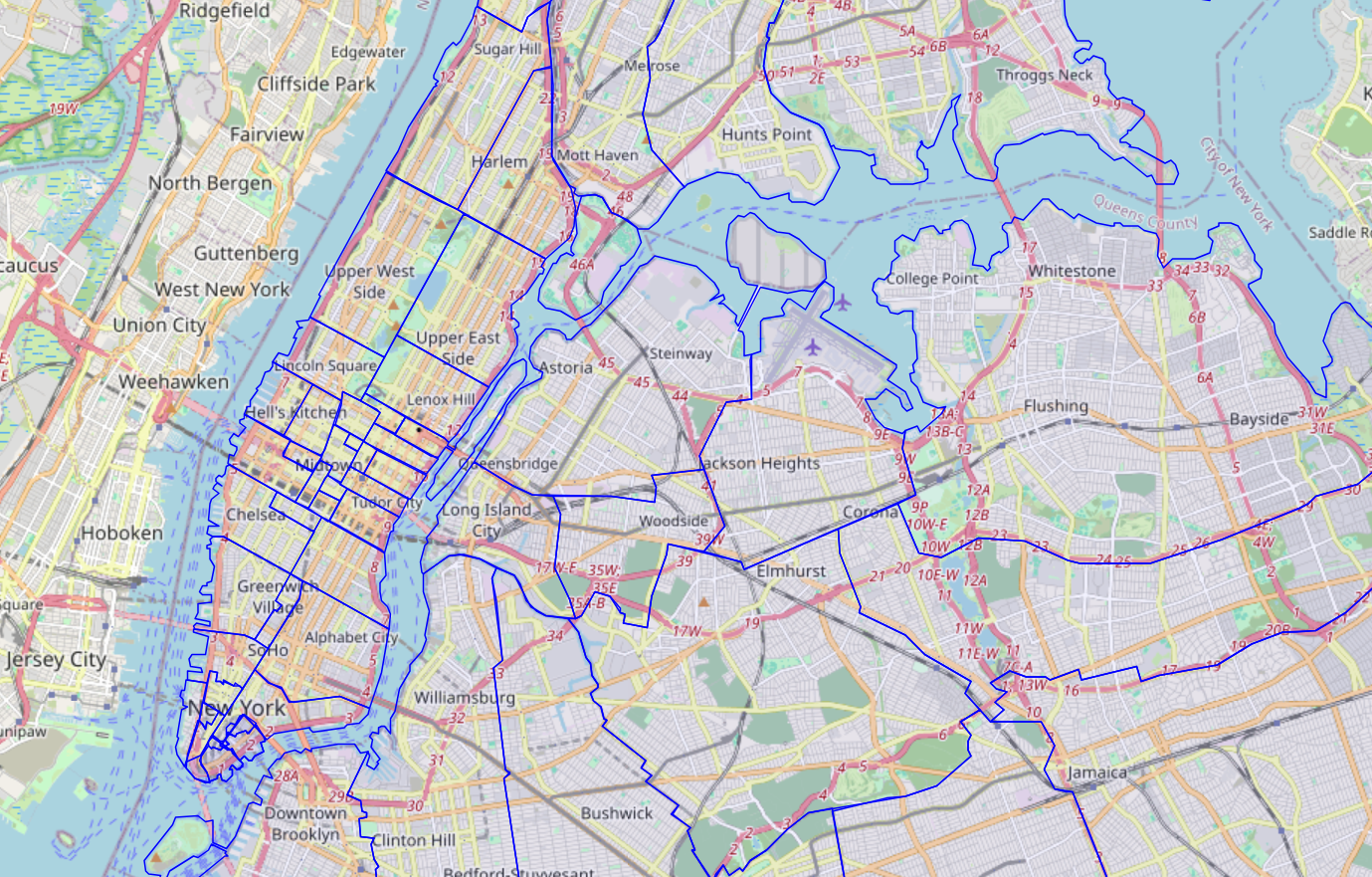
My research explores ways to expand access to these technologies to these excluded groups. The impact of this work is most significant in metropolitan areas. While about a third of US households are renters, in cities this can reach as much as two thirds of the population. These areas also tend to have much higher percentages of multifamily buildings. Additionally, dense urban areas have limited options for producing energy within their boundaries and have electricity transmission constraints that make increasing the amount of energy that can be produced or used more efficiently particularly valuable.
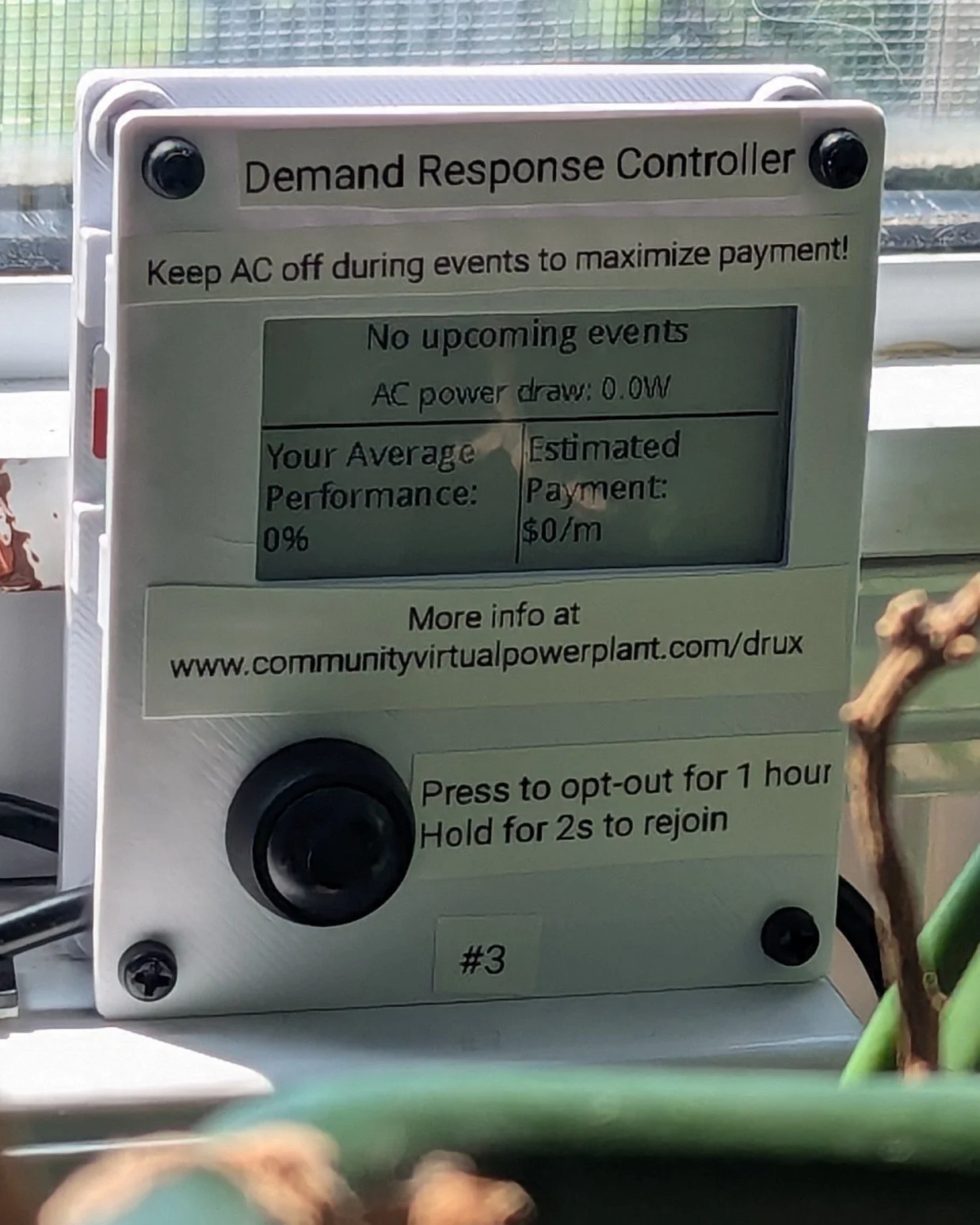
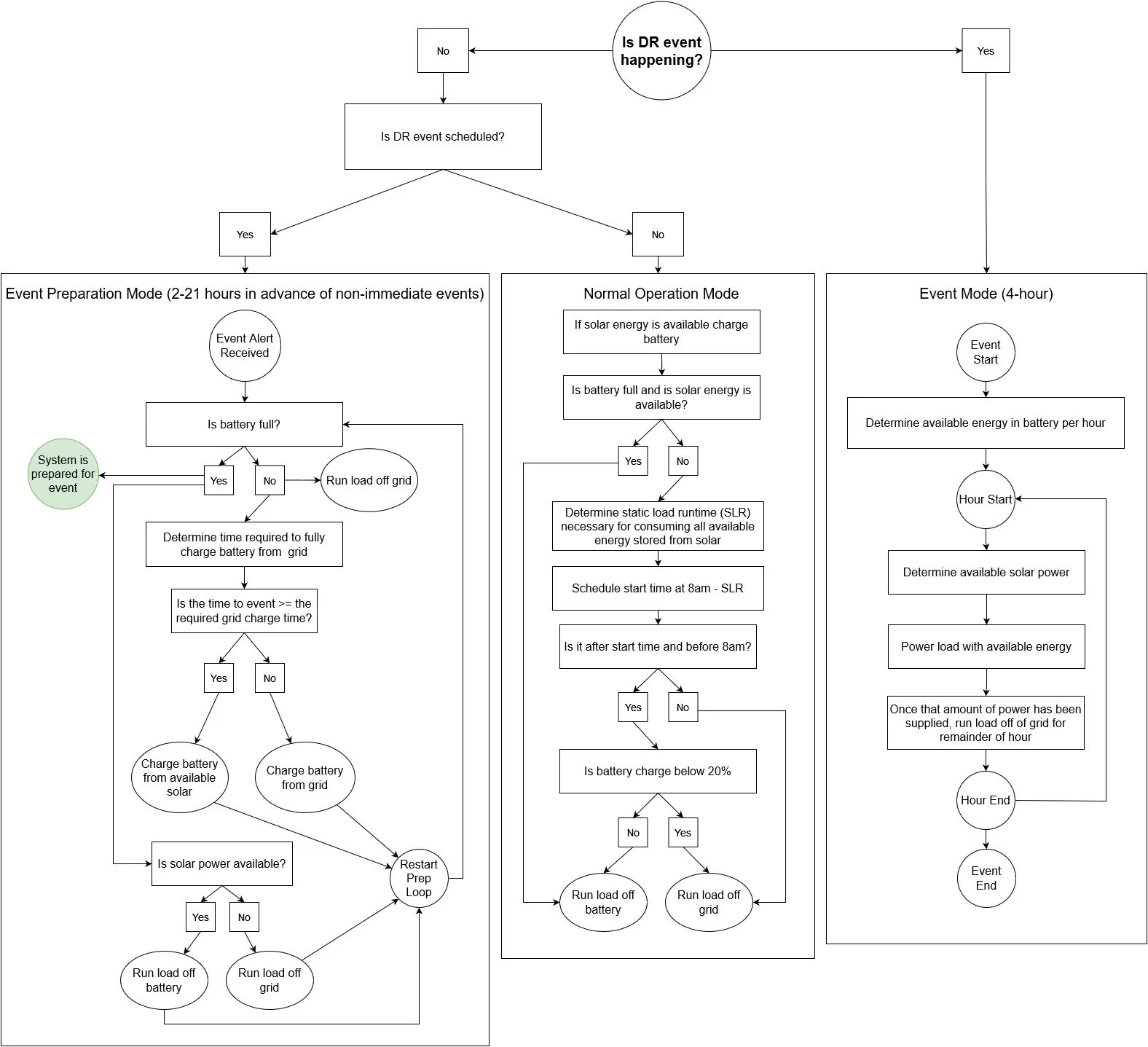
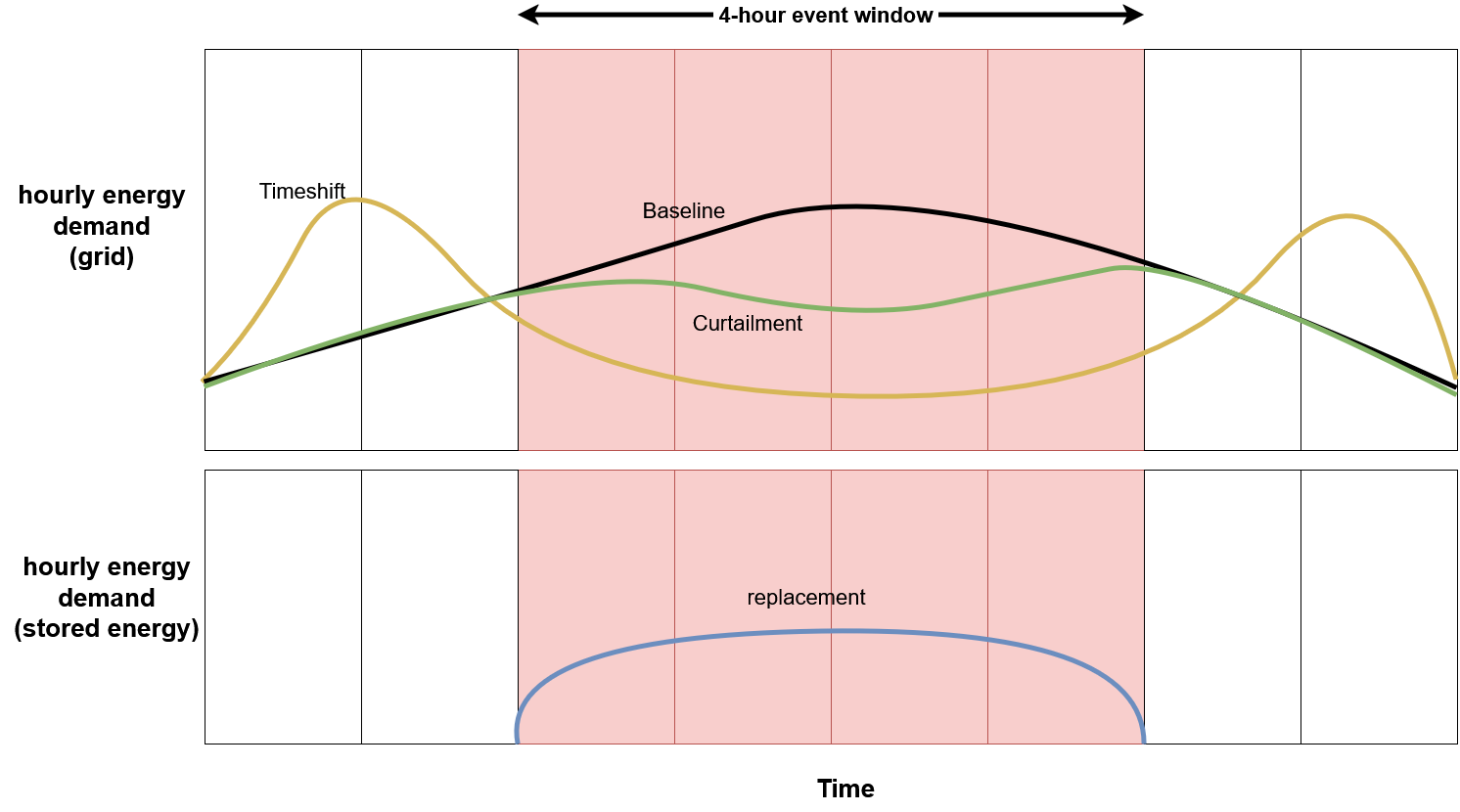
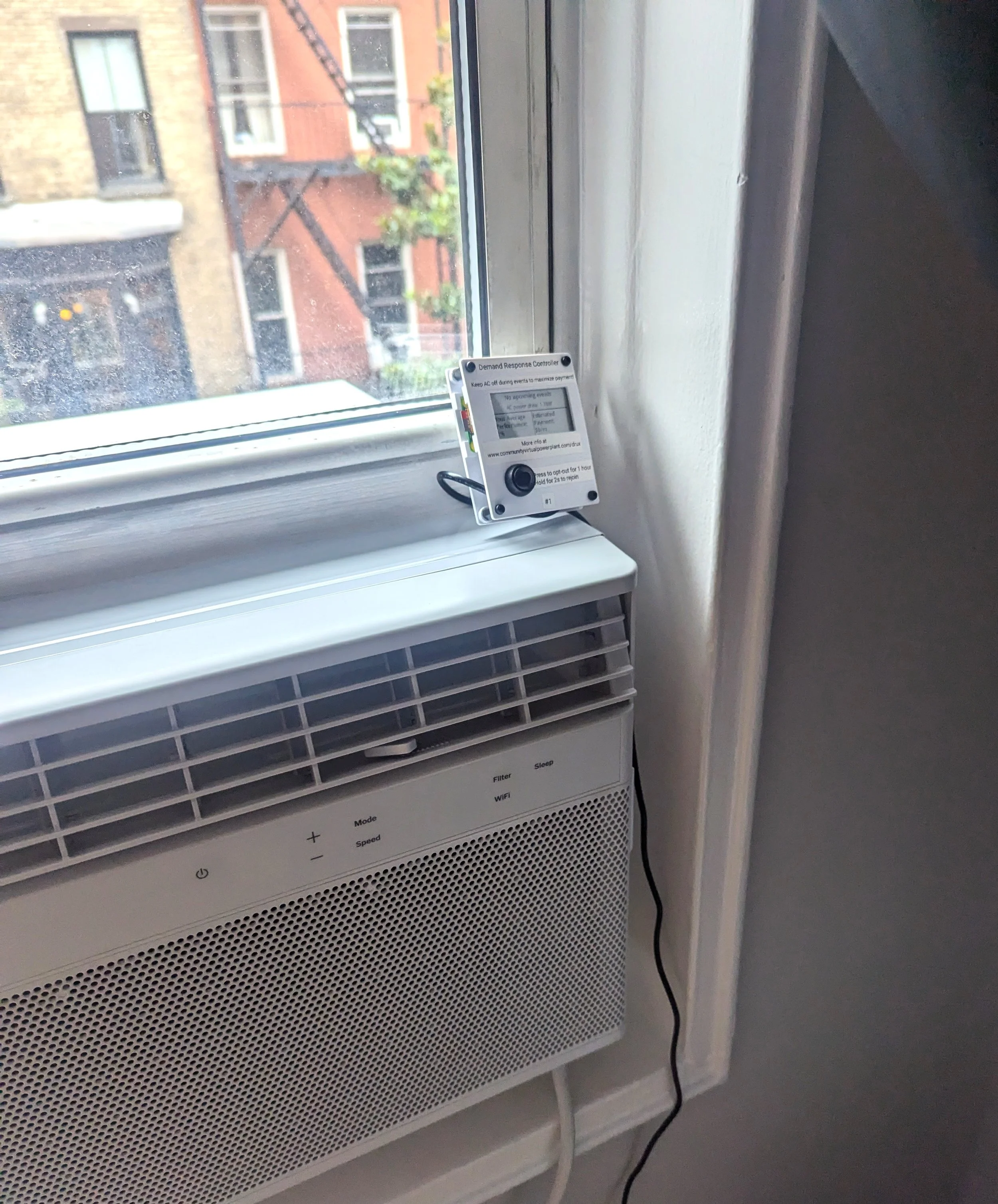
The focus of my dissertation is on the ways that off-the-shelf plug and play solar and battery systems can be applied to residential demand response programs in a way that is economical, accessible, and impactful. It considers the techno-economic viability of these technologies, community dynamics, hardware accessibility, and household motivations for participation.
Project Date: 2022-Present
Researchers: Alex Nathanson
Collaborators: Alexandros Tsamis, Koushik Kar, Abby Kinchy