
CASE x BATWorks Host The Future of Building Decarbonization
May 20th, 2026
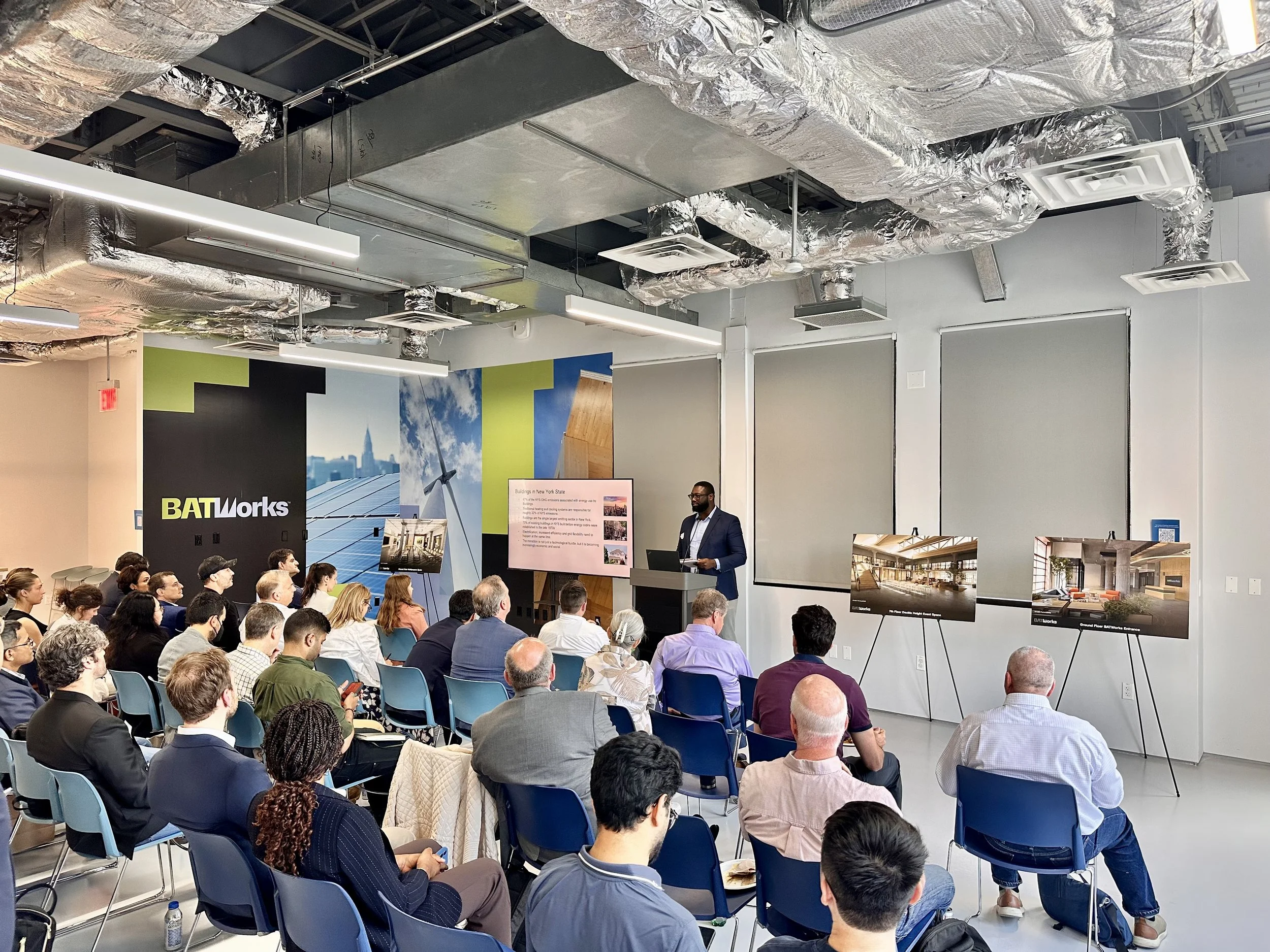
The Center for Architecture Science and Ecology (CASE) at Rensselaer Polytechnic Institute and LACI Climate Programs at BATWorks co-hosted an Industry Roundtable to discuss the future of building decarbonization through the lens of the new climate innovation hub at the Brooklyn Army Terminal in Sunset Park, Brooklyn.
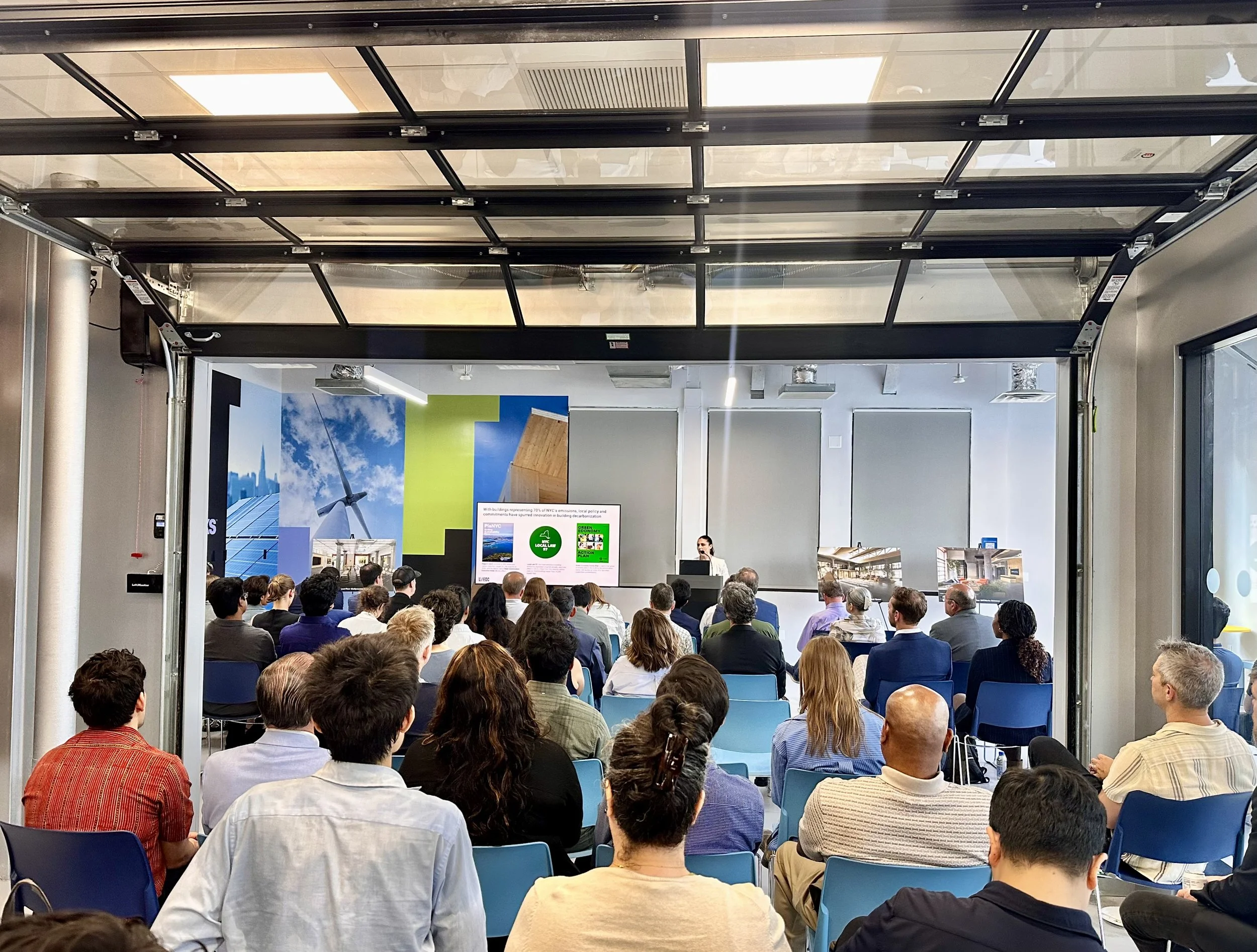
Over 75 professionals convened from across the building industry including academic researchers, government agencies, industry leaders, community members and more for a focused, solutions-oriented conversation on to examine a holistic approach to building decarbonization, how it can further align with NYC priorities and how New York City's growing climate tech ecosystem can accelerate progress.
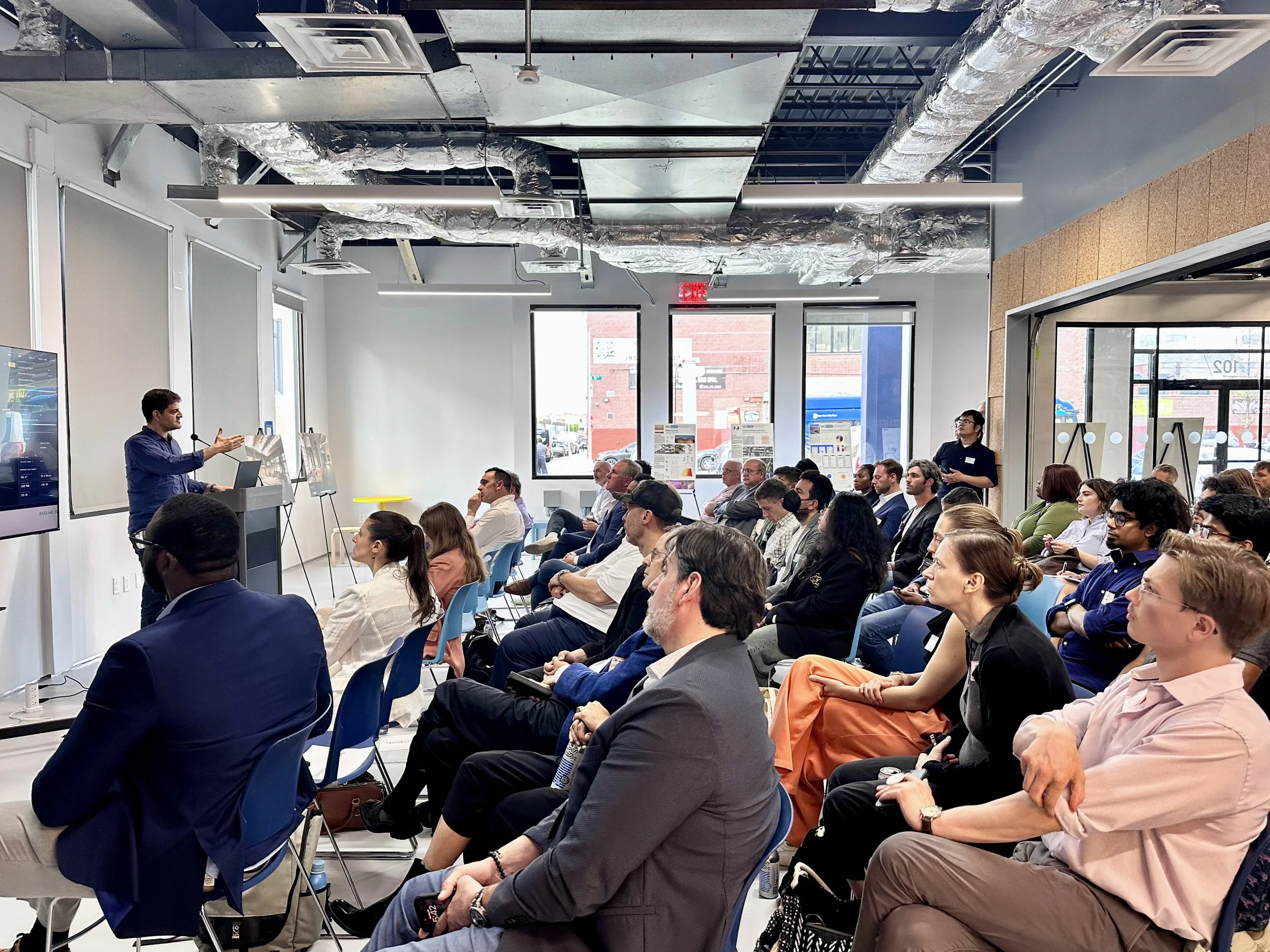
The program opened with two presentation sessions. The first brought together industry leaders and researchers including Nicole Spina, Vice President, Climate Innovation, NYCEDC, Ayodeji (Deji) Dabiri Senior Project Manager, NYSERDA and Alexandros Tsamis, Director, CASE, RPI. Their presentations outlined recent advances in materials science, decarbonization metrics, policy trends, current public initiatives and sector-specific decarbonization pathways.
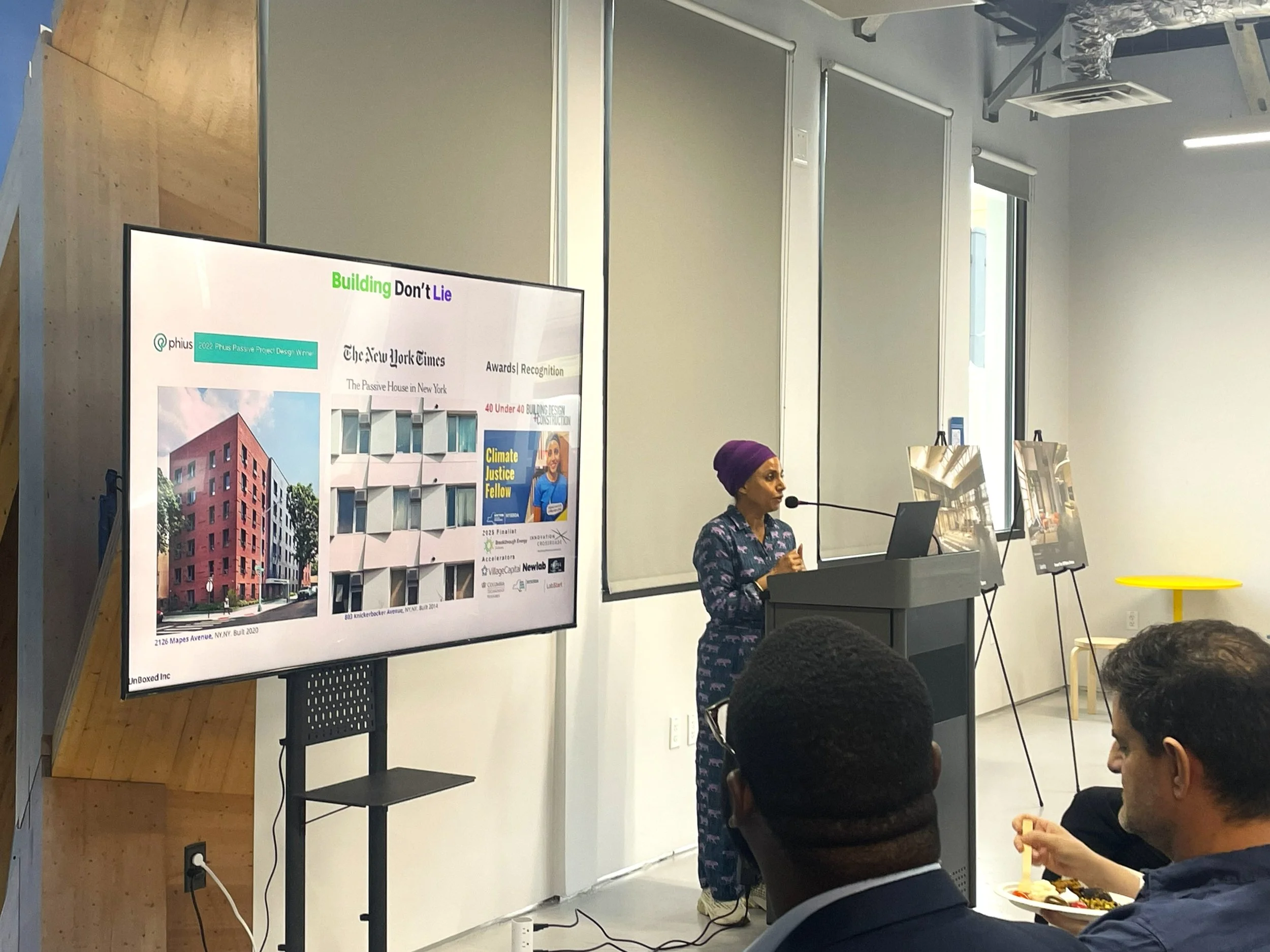
The second session highlighted startups and entrepreneurial efforts, and included presentations from Satpal Kaur, Founder and CEO, UnBOXED, Alex Nutkiewicz, Senior Consultant, Cities, Buro Happold and Dennis Shelden, Professor, CASE, RPI showcasing innovative approaches in low‑carbon materials, new urban energy systems (TENS), architectural innovation, and digital tools that make carbon accounting and operational efficiency more actionable.
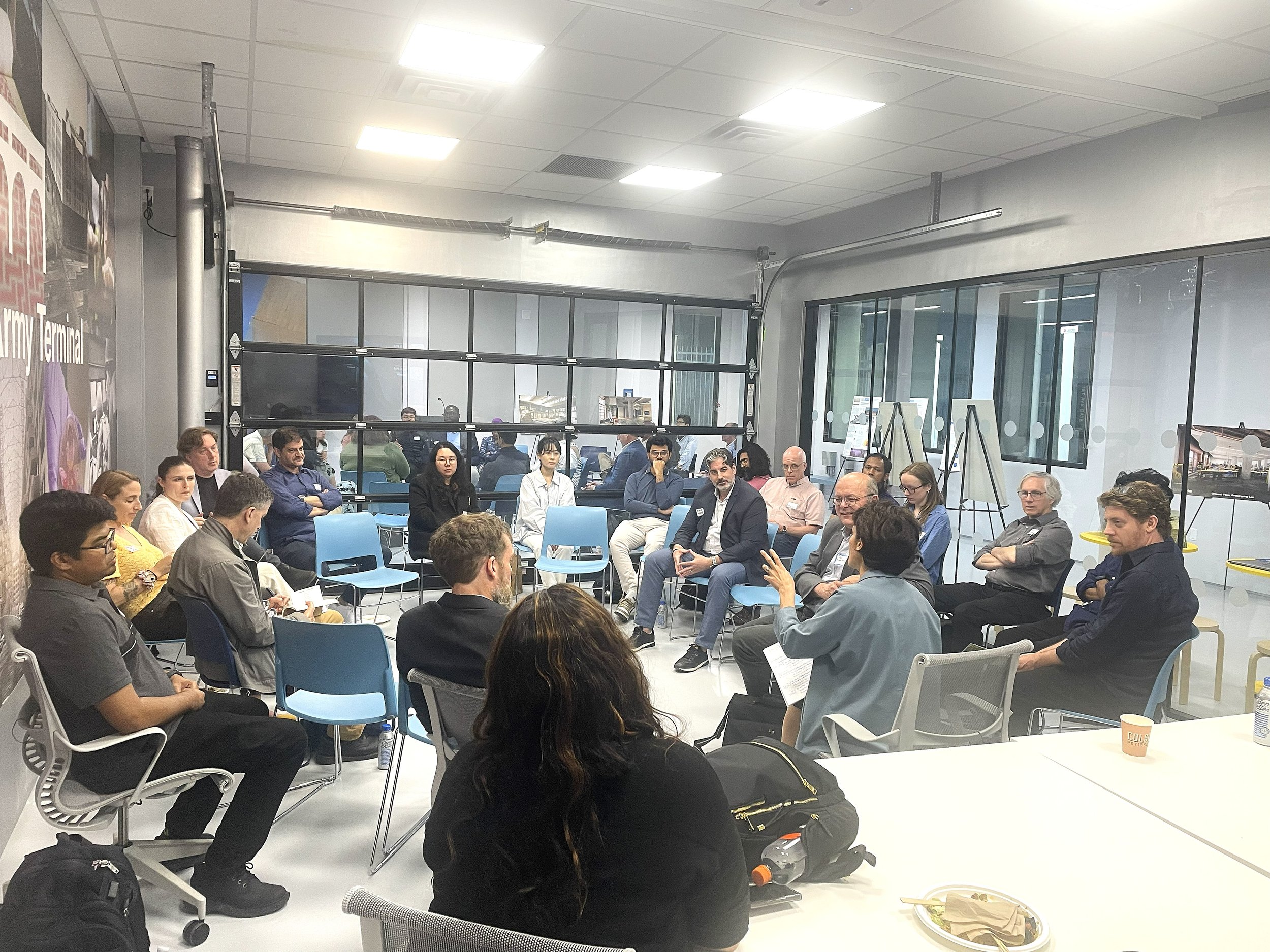
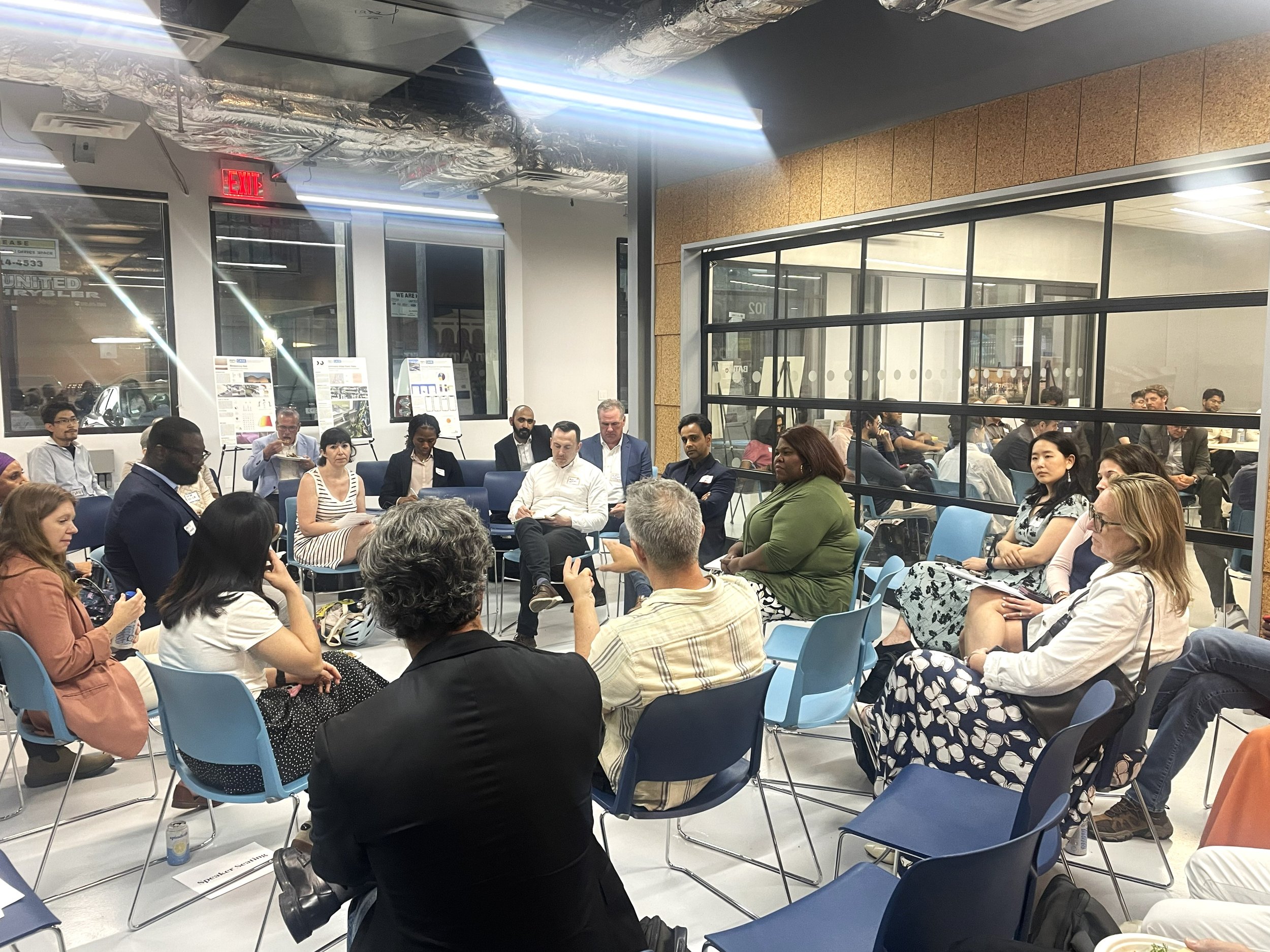
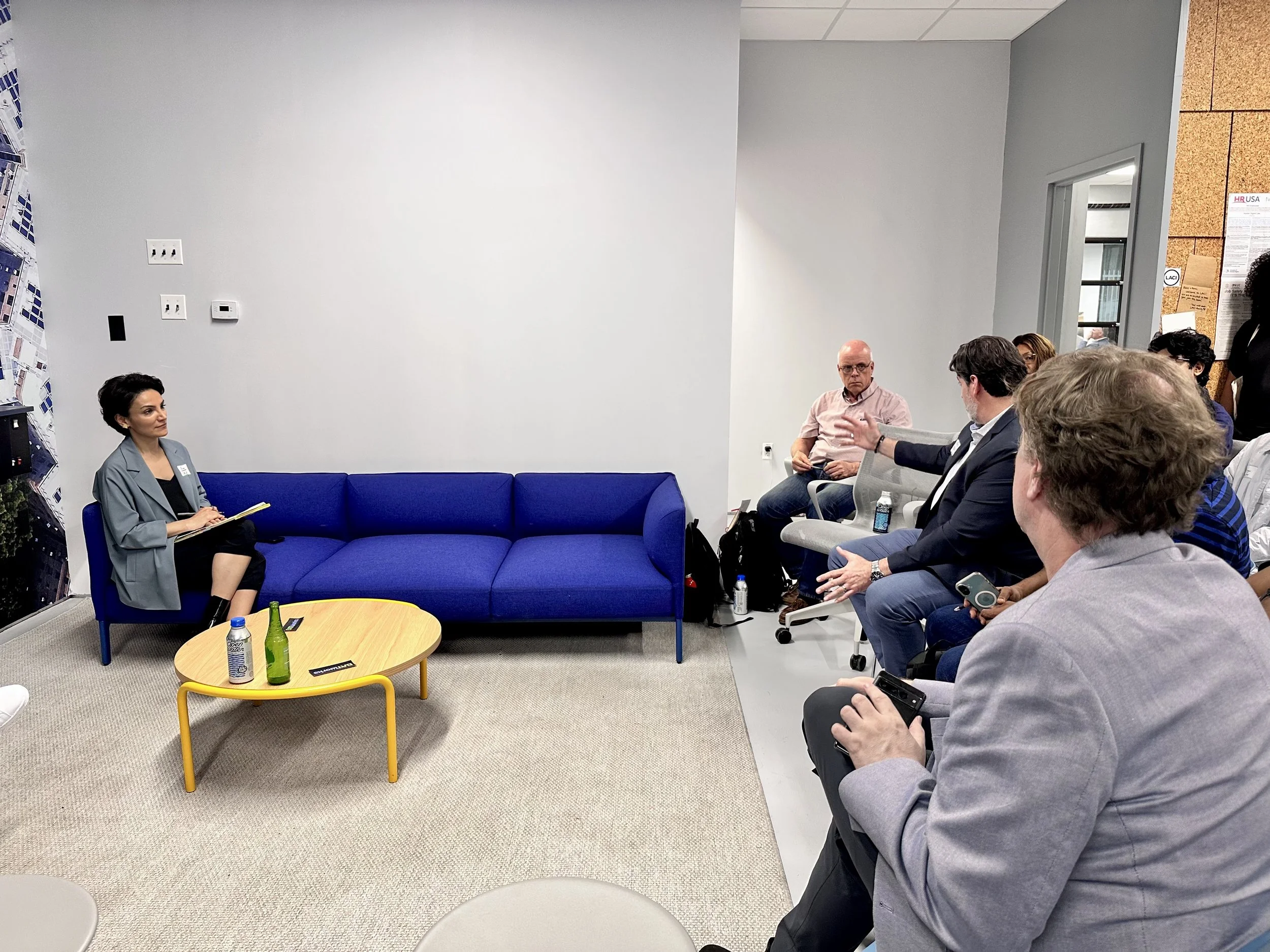
Attendees then divided into two concurrent roundtable discussions—one on embodied carbon (building materials, construction processes, and infrastructure) and the other on operational carbon (building energy systems, renewable energy integration, and AI-driven building operations). Both groups engaged deeply, surfacing practical challenges tied to procurement, design decision-making, regulatory alignment, and data transparency. Participants mapped the key actors and governing bodies whose coordination will be essential—owners, designers, contractors, material manufacturers, code authorities, and finance partners—and explored alignment strategies across these stakeholders. Each discussion shared vision for a dedicated building decarbonization hub at BATWorks, emphasizing the hub’s potential to bridge gaps between startups and large industry players, inform policy development, and provide real-world demonstration projects that scale impact.
Overall, the event reinforced the collaborative and cross-industry action needed to address building decarbonization through innovative research, design, development and policy. CASE and BATWorks left participants motivated and better connected, with next steps toward establishing the BATWorks decarbonization hub as a focal point for delivering measurable progress in the built environment.
Media Contact:
Kathie Brill, Program Manager
Brillk@rpi.edu