
Student Research Feature: PhD Candidate Alex Nathanson Explores Expanding the Power of Urban Energy Grids
June 15th, 2026
CASE Ph.D. students are dedicated to innovative, next-generation research with the intent of transforming systems in the built environment. 4th year Ph.D. candidate Alex Nathanson is tackling ongoing challenges in urban energy grids by exploring ways to reimagine the demand response system, making energy more accessible for all. We interviewed Alex to get a behind the scenes look at his research, his inspiration and goals for the future.
Q: Can you give us a brief overview of your research?
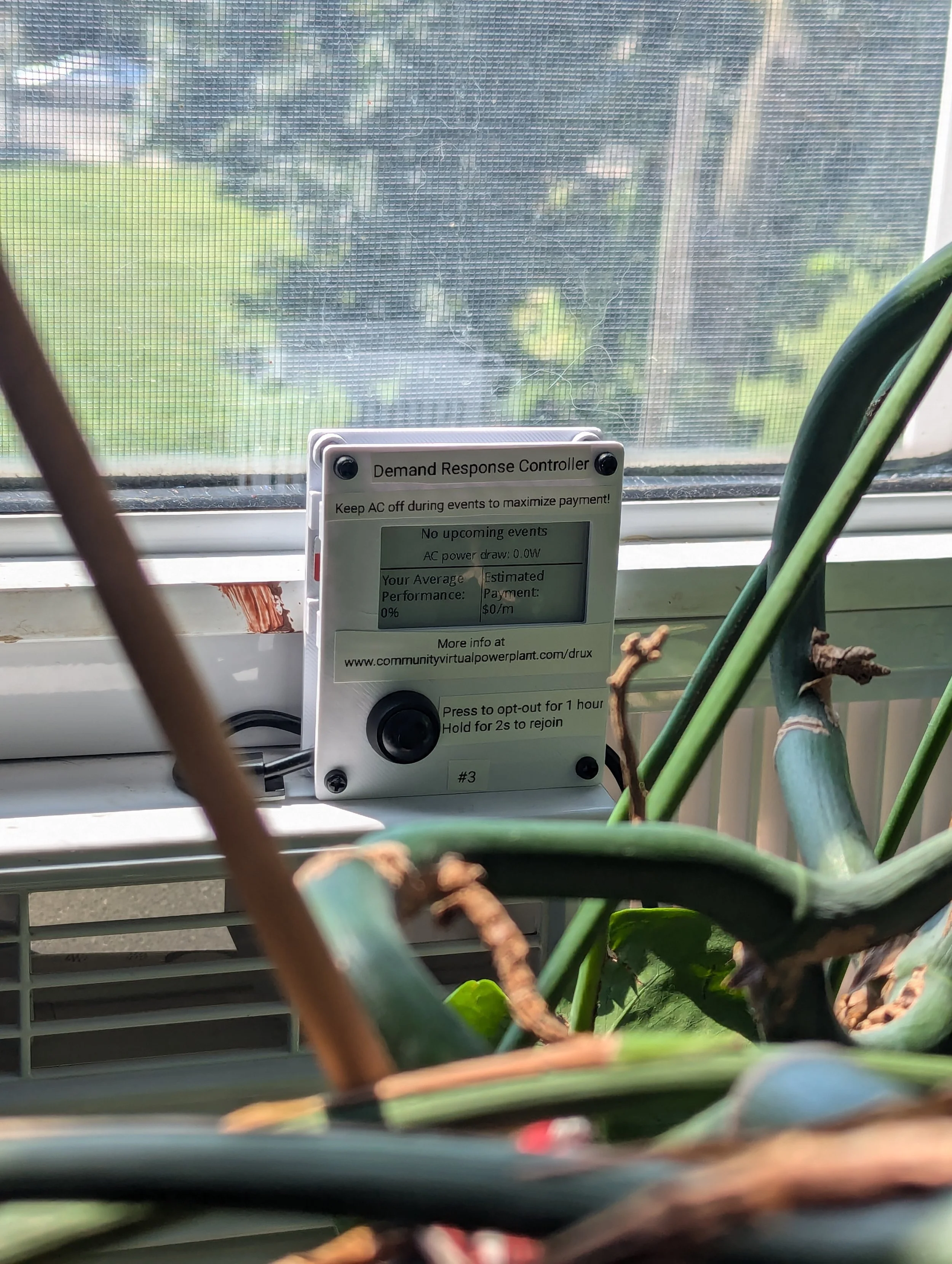
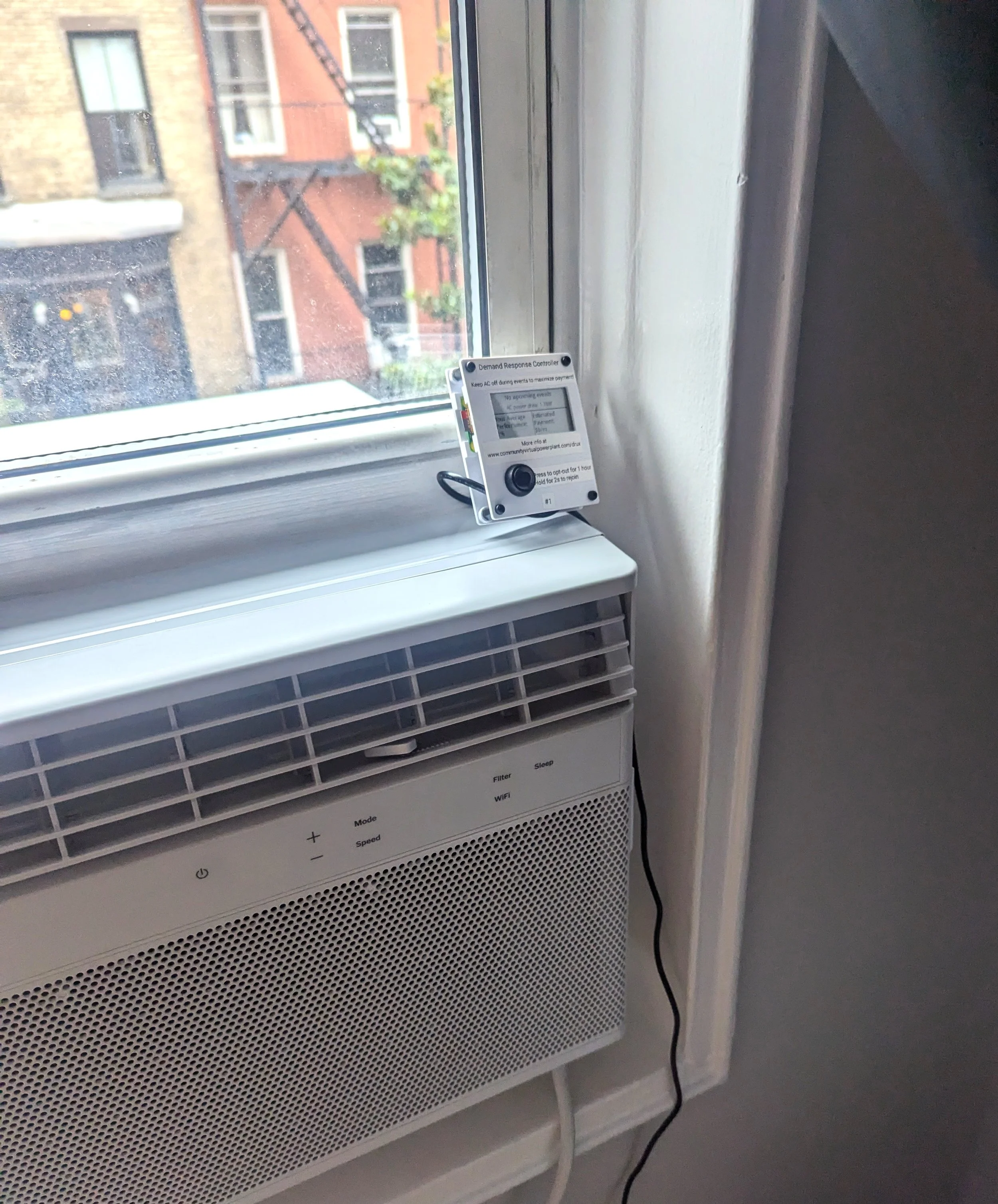
Alex: My research explores opportunities to expand access to energy transition technologies and its benefits for renters and residents of multifamily buildings in cities. I have specifically been considering how to make demand response systems and virtual power plants more accessible, by considering the advantages of community energy models. There are many examples of supply side community energy models in the US, but very few examples of community based demand side energy systems in operation today.
Q: What inspired you to pursue this research?
Alex: As a resident of NYC, I have seen and experienced how many people living in this city are barred from participating in the energy transition. To successfully address the climate crisis, we need both top down science based solutions and bottom up community based solutions.
Q: What are the key impacts of this research on community health and the environment?
Alex: In addition to limiting the use of fossil fuels, energy transition technologies like solar power and batteries can provide income, increase resiliency, and give agency to those who can access them. As extreme weather events get more severe and the cost of electricity rises, both increasing resiliency and decreasing the cost of energy will become more and more important.
Q: What initiatives are you involved in outside of CASE for solar energy and grid resilience?
Alex: As a solar power designer, my work focuses on educational, cultural, and community based applications of renewable energy technologies. I work with educational institutions, non-profits, artists, and other groups to integrate renewable energy into their projects. My first book, A History of Solar Power Art and Design was published by Routledge in 2021. It was the first interdisciplinary history of solar power creative practice. My next book, Solar Circuits, will be published by Make in 2026. I co-created the Solar Protocol project, with Tega Brain and Benedetta Piantella, which has been exhibited extensively throughout the world.
Q: What are your goals for your research and its applications?
Alex: Community based demand side energy management approaches have the potential to radically reshape how energy is managed in dense urban environments. Demonstrating that the technical and economic viability of these systems can be greater in a community context than on an individual household basis or in a purely commercial context, will hopefully lead to policy changes that enable these new opportunities.
Media Contact:
Kathie Brill, Program Manager
Brillk@rpi.edu