
BIM and IoT-based Digital Twin Dashboard
BIM and IoT-based Digital Twin Dashboard
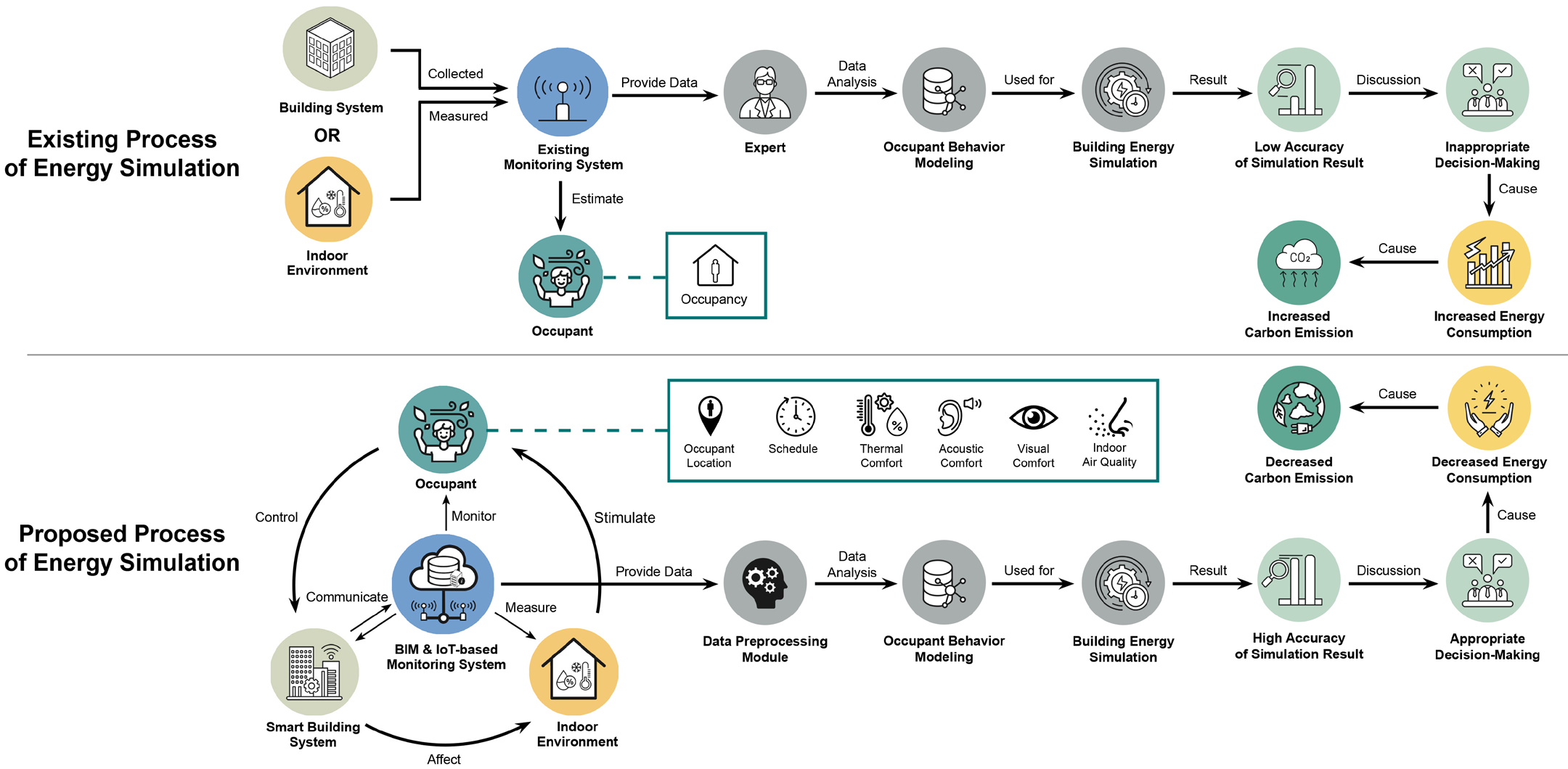
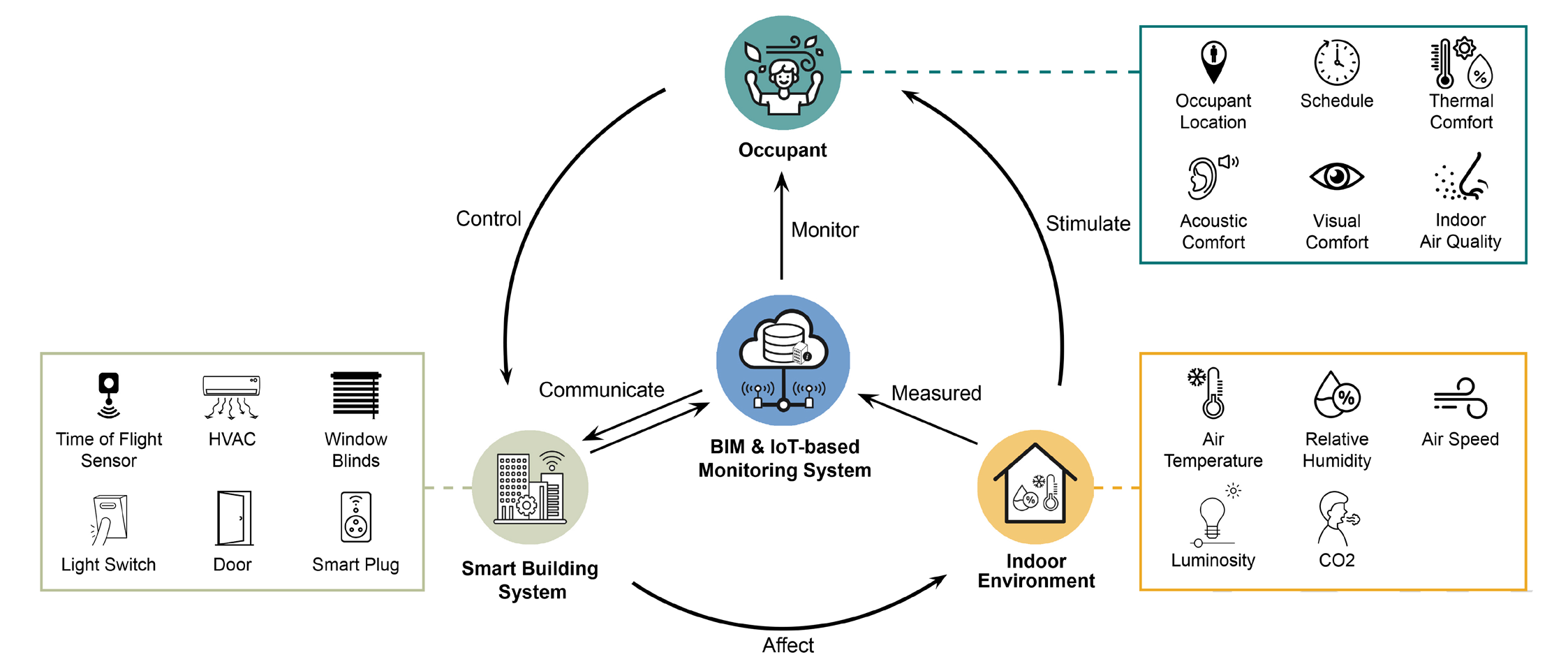
Interoperability of data across smart building systems is one of the biggest issues in building design, construction and operations, and a key enabling factor for the development of intelligent buildings. Building Information Modeling (BIM) has evolved into a high-fidelity repository for design and construction data, but its potential for facility operations remains limited due to the static nature of the information. Conversely, Internet of Things (IoT) technologies provide high-resolution, real-time data on environmental conditions but often lack the spatial context necessary for meaningful analysis. Integrating these distinct data sources is critical for the development of building centric digital twins.
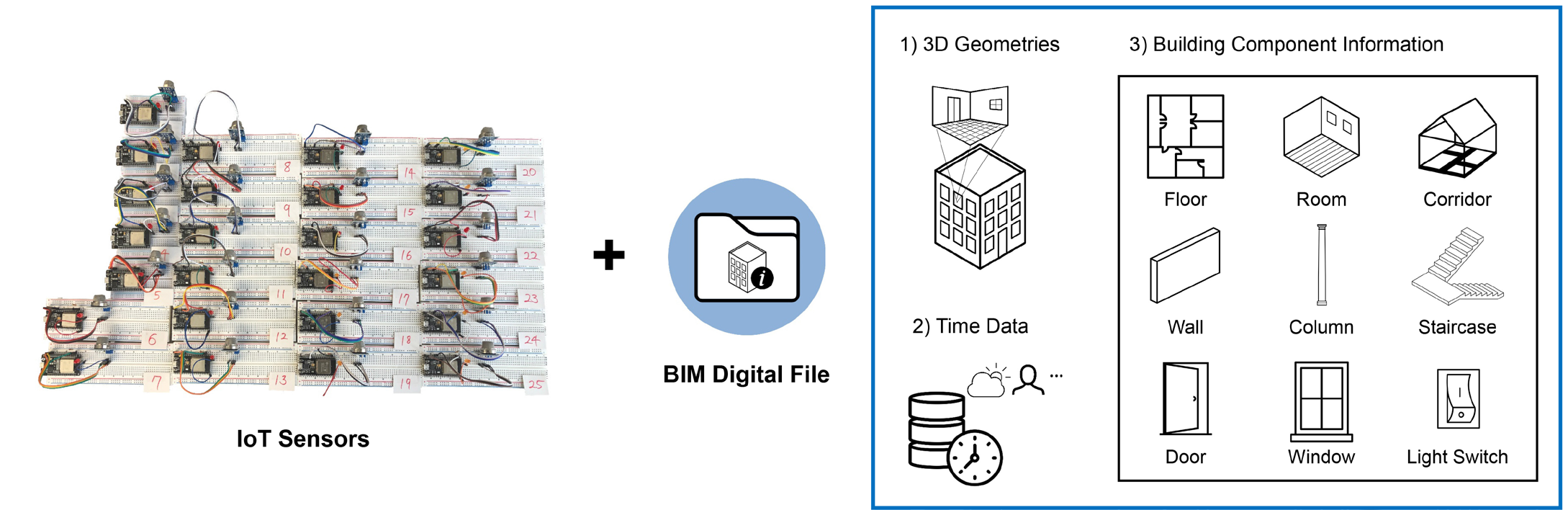
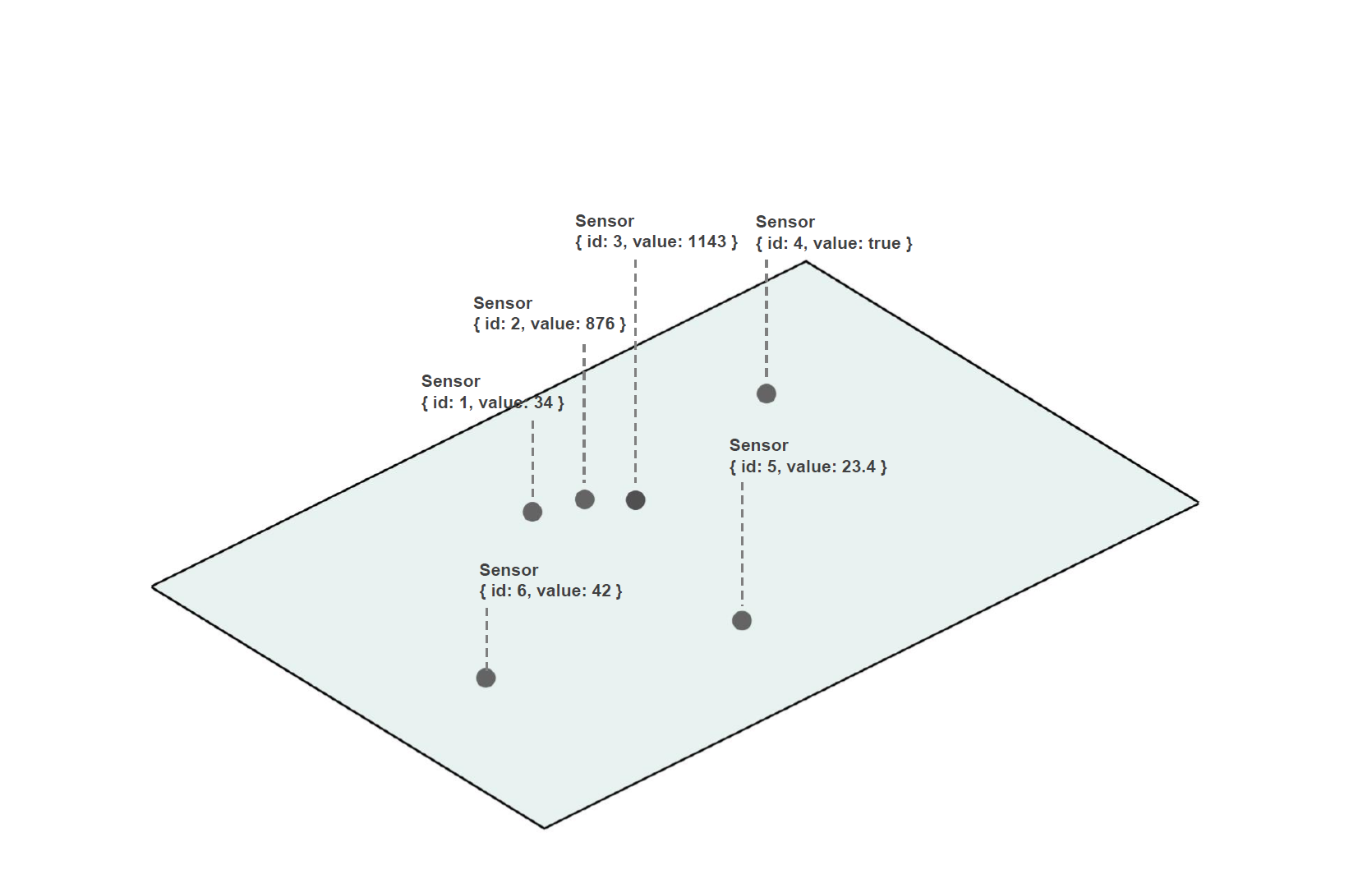
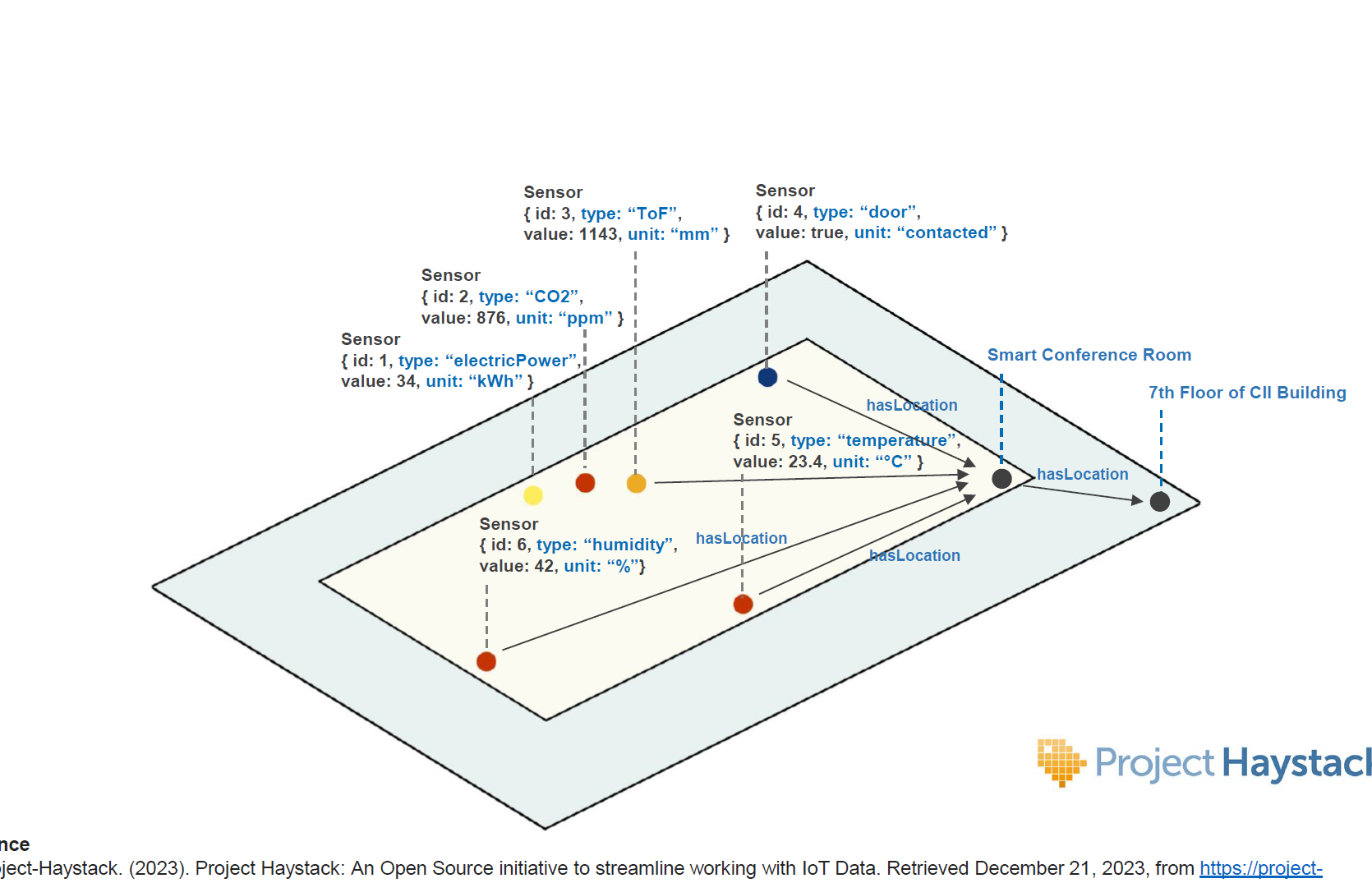
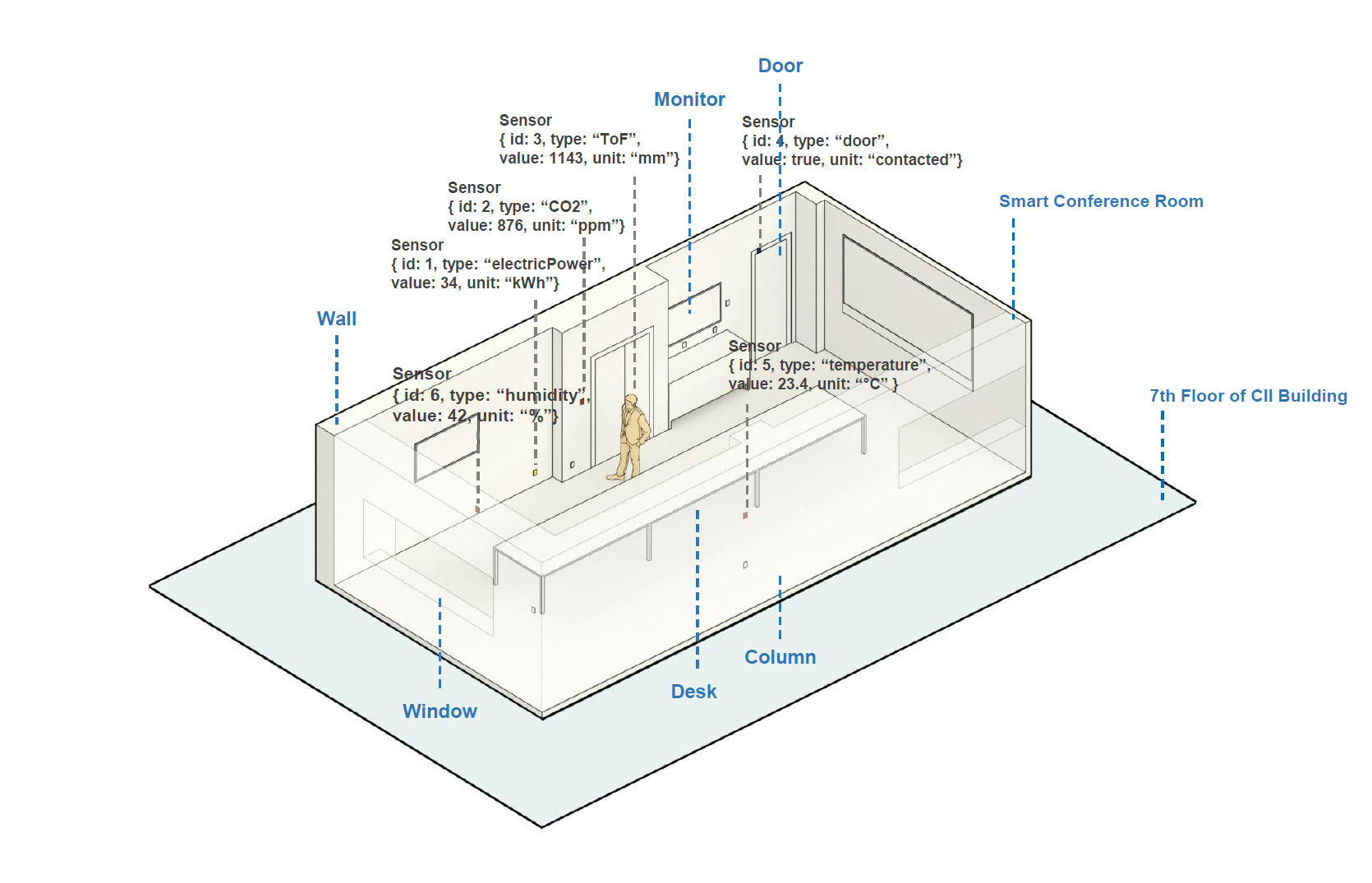
The BIM and IoT-based Digital Twin Dashboard research project introduces a generalizable web-based framework designed to overcome these barriers by integrating BIM, IoT, and Semantic Web technologies. This approach envisions the digital twin not merely as a visualization tool, but as a semantic platform capable of inferring occupant needs and environmental interactions. This framework is structured into four distinct layers—sensor, network, middleware, and application—to ensure efficient data flow and processing. To address the inefficiency of traditional BIM formats on the web, the project utilizes a linked data version of ifcJSON – a recently developed, JSON encoded version of the IFC standard for BIM data exchange. This lightweight, machine-readable format enhances the semantic representation of building data, allowing for the seamless federation of static building geometry with dynamic sensor streams and existing ontologies such as Brick and ifcOWL.
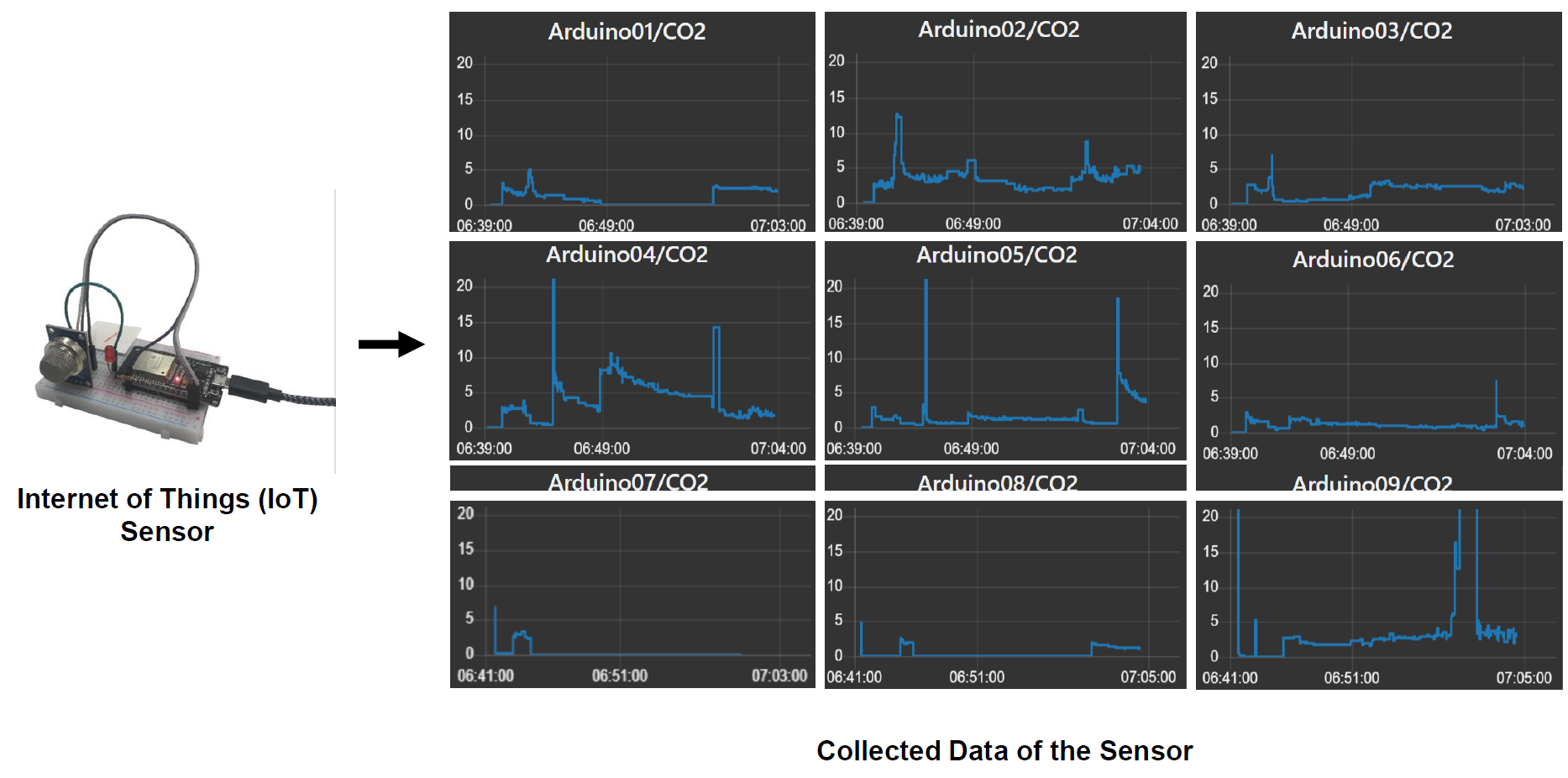
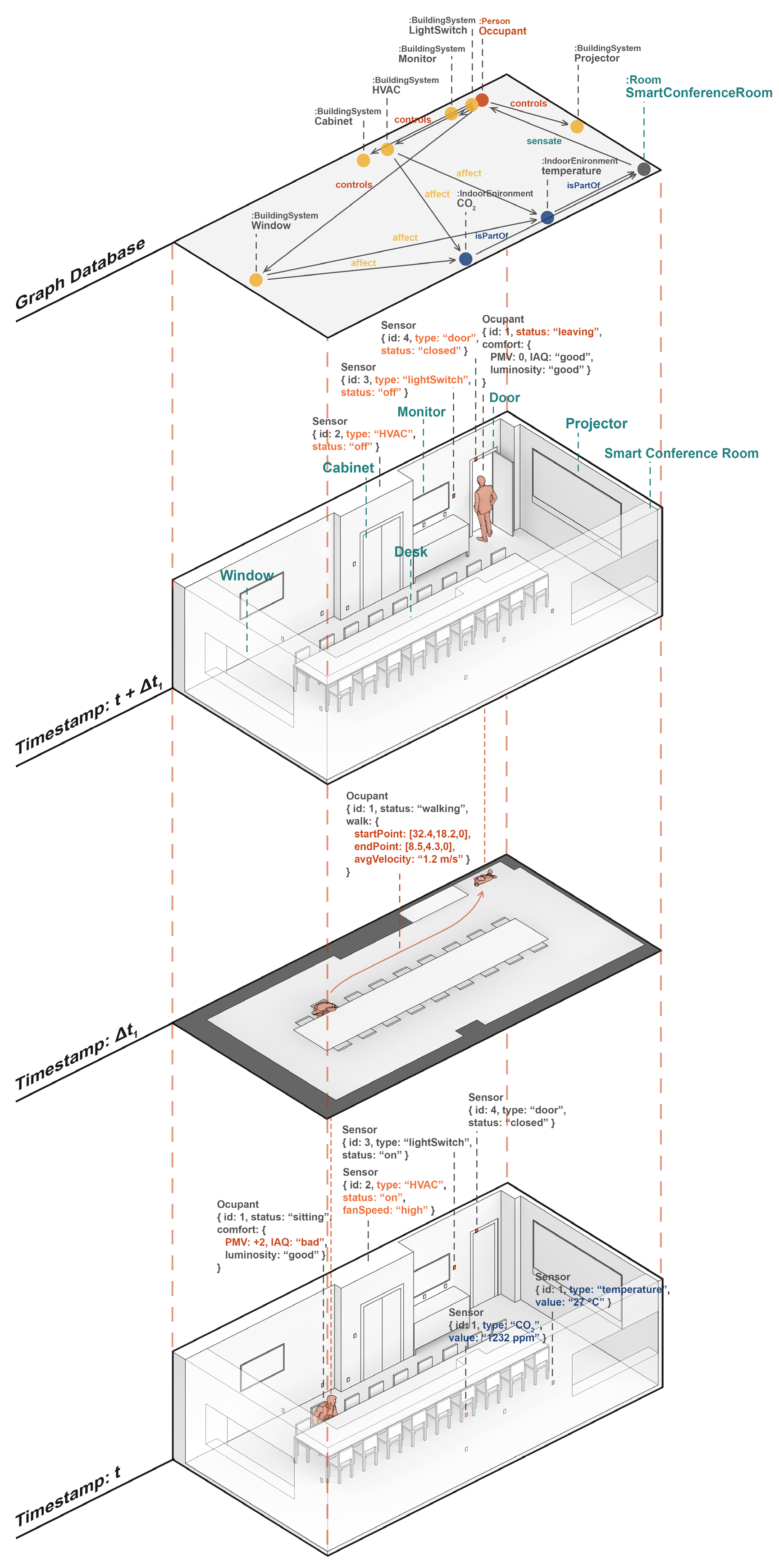
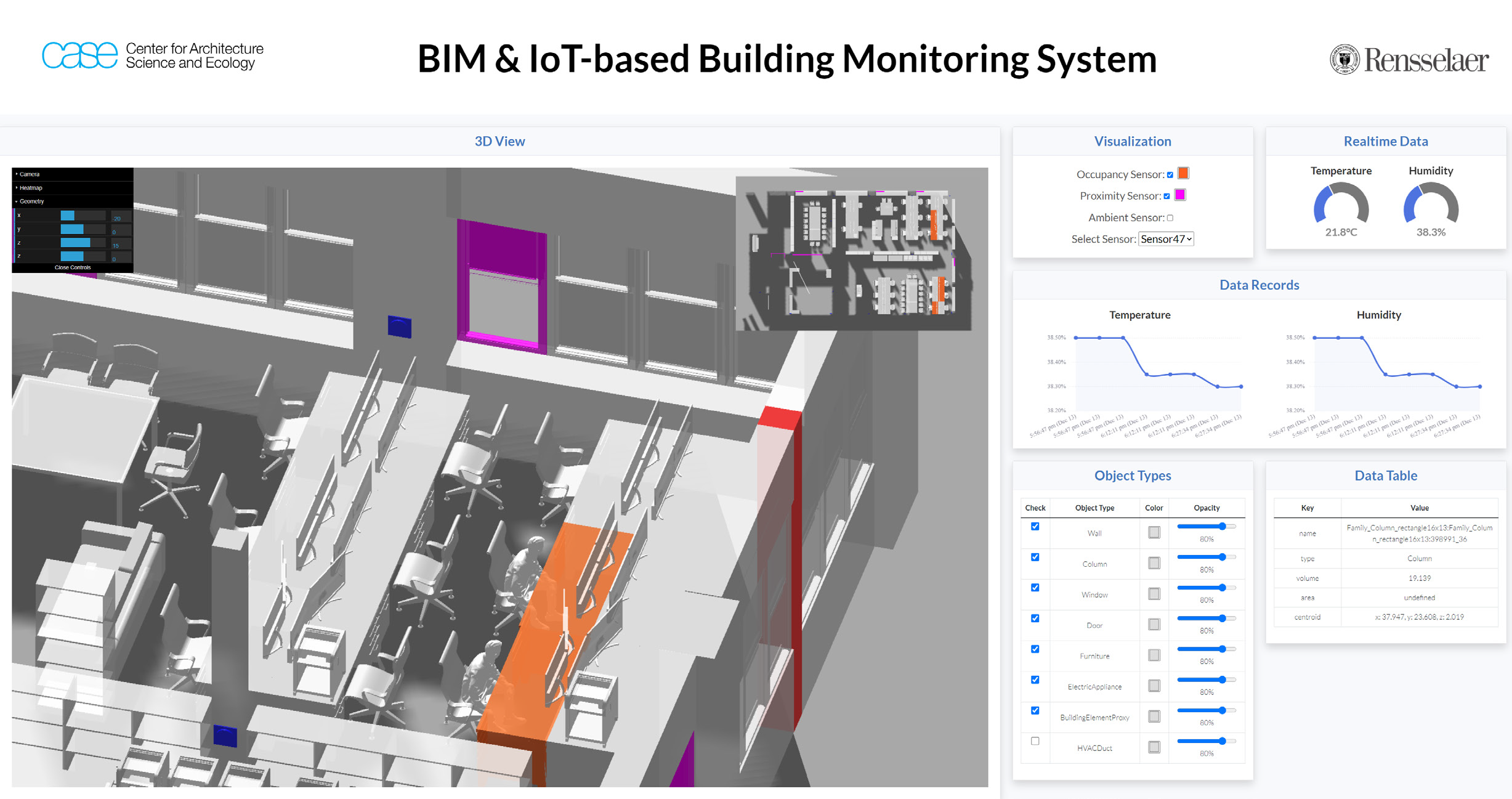
To validate this framework, a functional prototype was deployed in a university laboratory at the Center for Architecture Science and Ecology (CASE), utilizing over 50 sensors to monitor temperature, humidity, and occupancy. The system leverages a Node-RED server and NoSQL database to aggregate data, which is then visualized on a web dashboard using Three.js for 3D rendering. A key innovation of this platform is its semantic querying capability; by utilizing SPARQL queries on the generated RDF graphs, the system can correlate heterogeneous data points—such as detecting when a window is opened in an occupied room—to infer behavioral patterns and potential discomfort. This result demonstrates that open standards -based linked data can effectively bridge the gap between physical assets and digital models, laying the groundwork for scalable, energy-efficient building monitoring systems that actively contribute to occupant comfort and operational sustainability.
Read more about this work on the RPI research blog.
Project Date: 2022 - 2025
Researchers: Jihoon Chung and Dennis Shelden
Collaborators: Jiayu Wu, B.Arch
Publications:
Chung, J., & Shelden, D. (2024, August). A Framework of ifcJSON-Based Digital Twin Platform for Monitoring Building Environment Using BIM, IoT, and Semantic Web Technologies. In International Conference on Computing in Civil and Building Engineering (pp. 39-53). Cham: Springer Nature Switzerland.
Chung, J., Shelden, D., & Karlicek, B. (2024). Towards a Real-Time Occupant Behavior Monitoring System: A Preliminary Study on Integrating BIM, IoT Sensors, and BAS. In Computing in Civil Engineering 2024 (pp. 1069-1078).