

Thursday October 29th, 2026
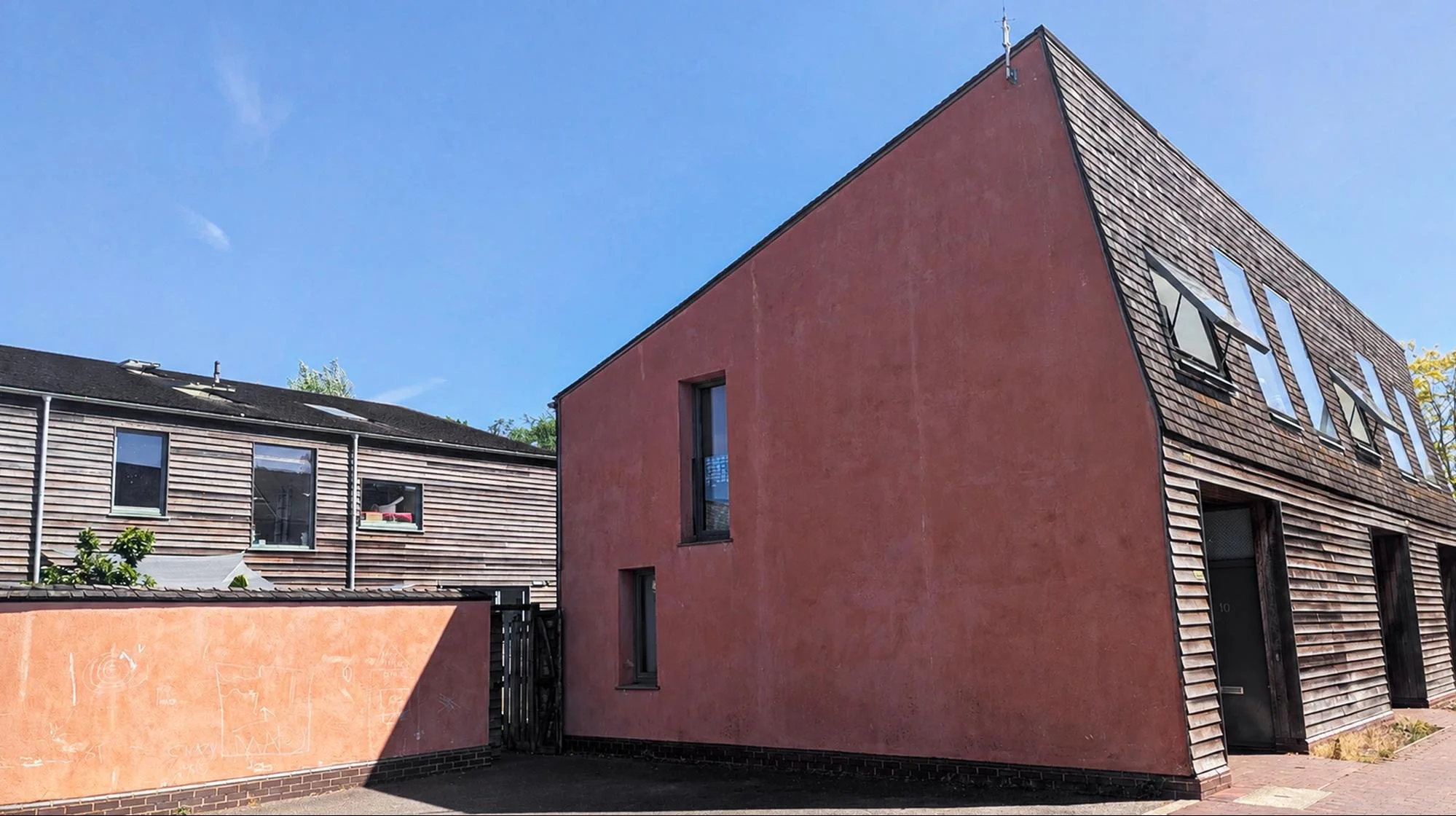
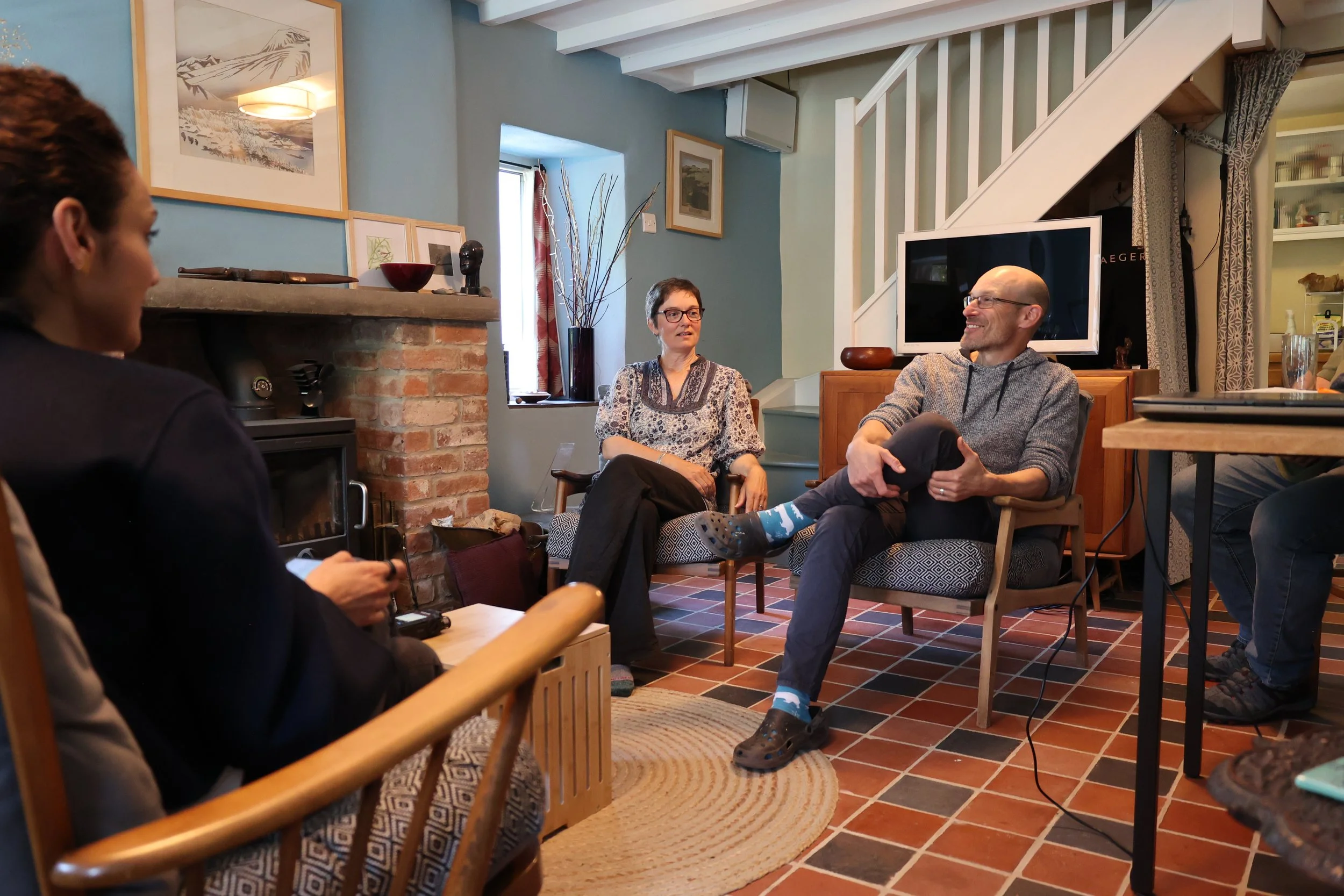
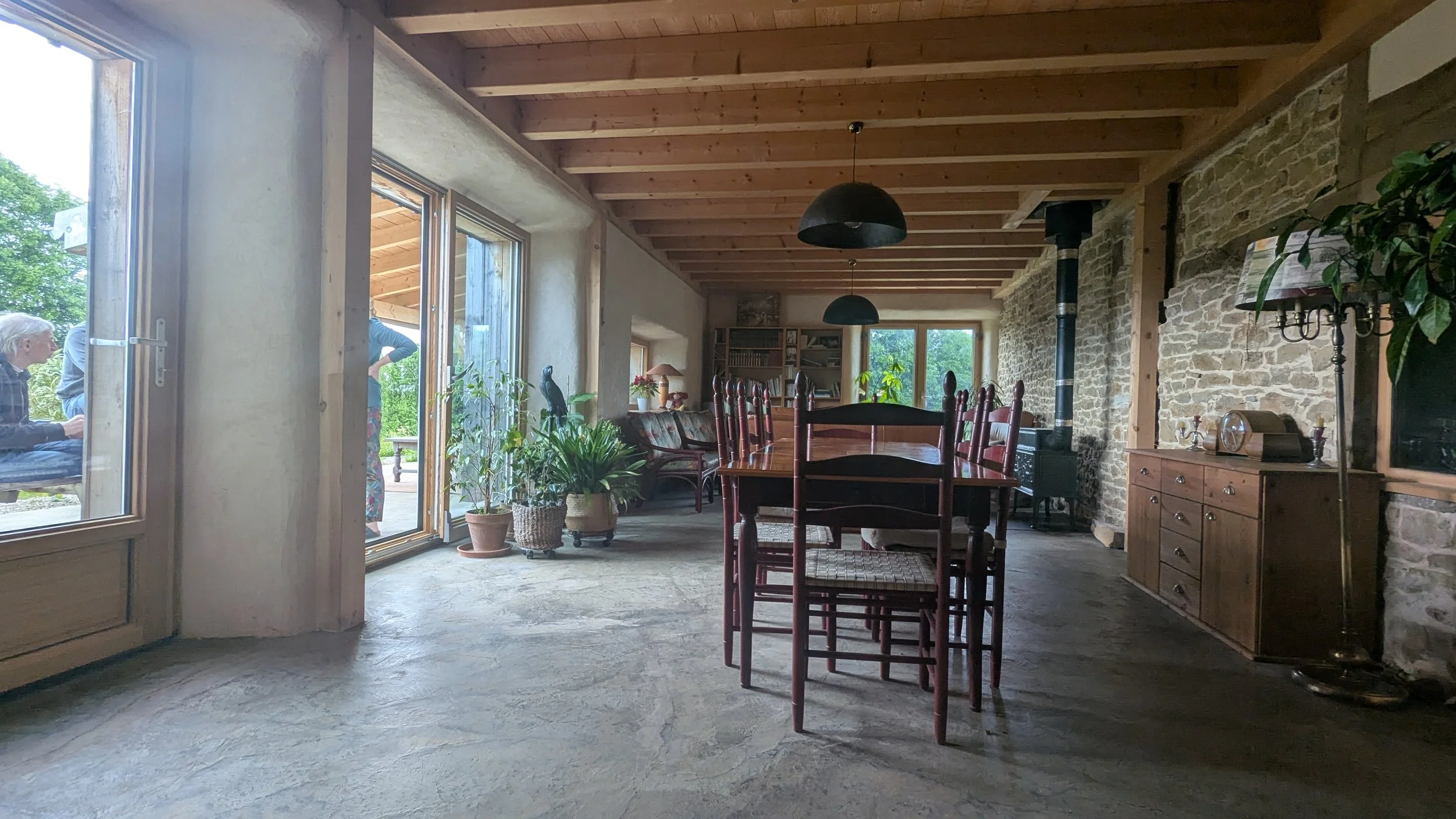
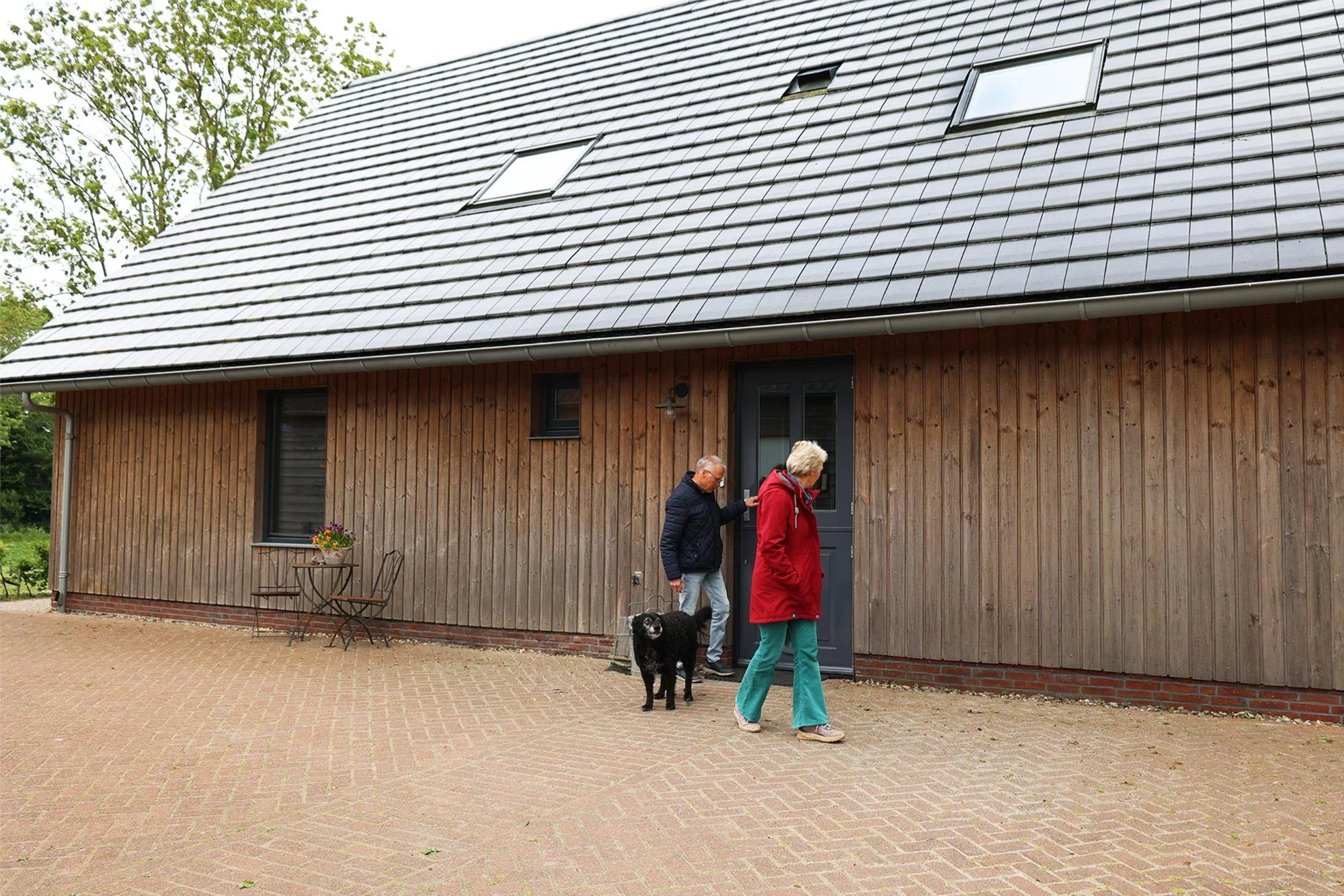
CASE Researchers Arta Yazdanseta, Assistant Professor and Xinyu Liang, PHD Candidate recently launched Habitat Atlas, an open platform that turns longitudinal occupant experience into evidence for deciding whether to build with bio-based materials. The platform is the product of multi-year research by Professor Yazdanseta on the benefits of using Hemp-Lime in residential construction. With a traveling fellowship from RPI's School of Architecture, she set off to the UK, France, and the Netherlands to interview residents of houses built with hempcrete with “one criterion: you had to have lived in the building for at least three years, long enough for full summers and winters and for neighbors and contractors to react.”(1)
With interviews of twelve people across eight hemp-lime households the feedback was overwhelmingly positive showing the benefits of comfort, health, upkeep, cost, and the reasons a household chose the material, a holistic value proposition that only years of occupancy can confirm. Now, Habitat Atlas exists to inform decision making and encourage the adoption of hempcrete in new construction. Habitat Atlas is a mixed-method platform that turns qualitative testimony into quantitative scores. The In-depth interviews of residents are coded across eight categories and twenty-three subcategories, and every category is scored from 0 to 100. Every score is grounded in occupant testimony, so readers can check the number against what occupants actually said. That is how the platform builds trust. It is free at habitatatlas.org. It starts with hemp-lime and is built to extend to other bio-based materials.
This research was also recently featured in an article in HempBuild Magazine, with a detailed interview and summary of the work and methodology behind it.
(1) Arta Yazdanseta, Experiences of Hemp Home Living Rated in New Online Atlas, HempBuild Magazine
Media Contact:
Kathie Brill, Program Manager
Brillk@rpi.edu