
November 15th, 2025
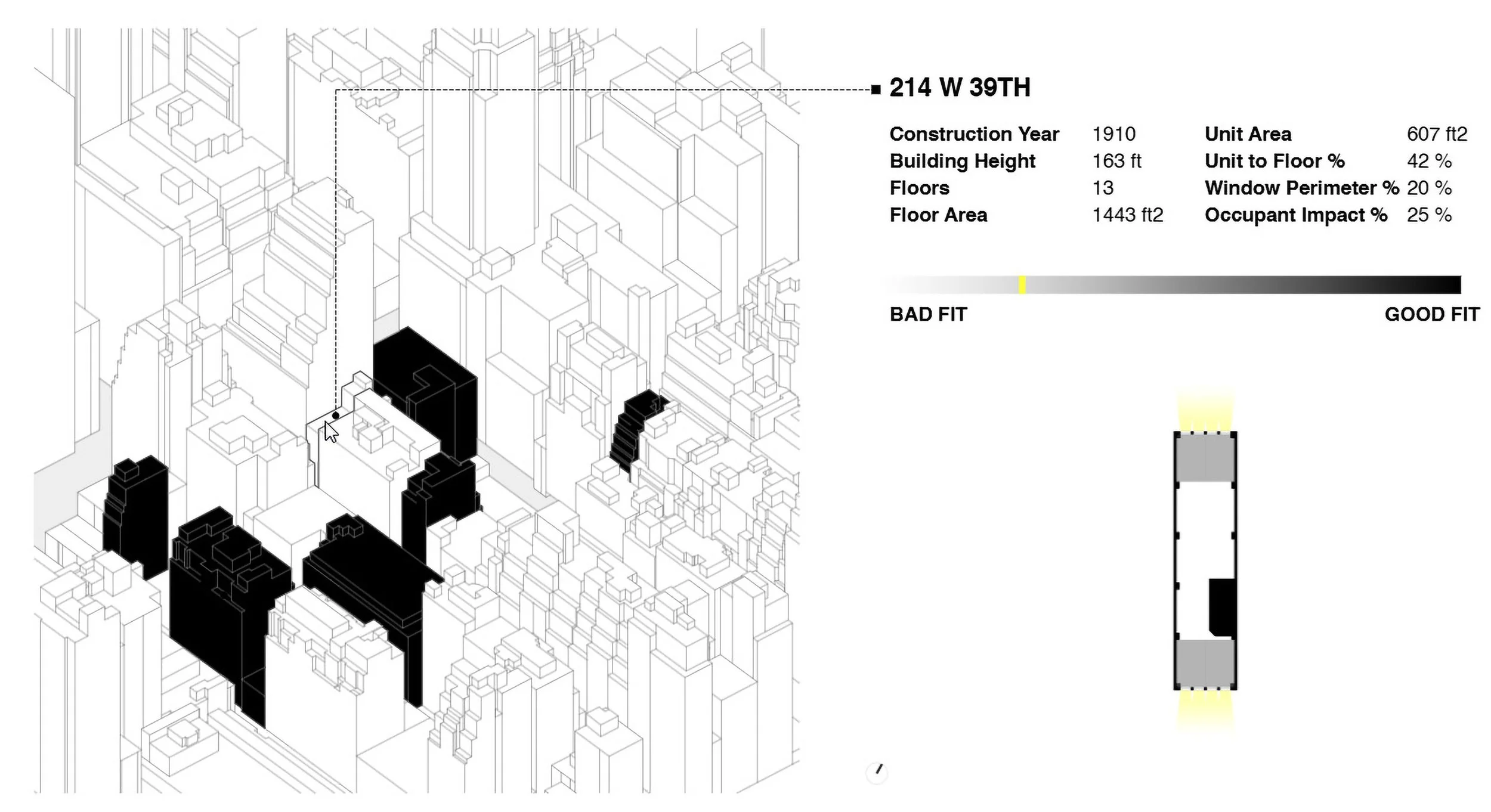
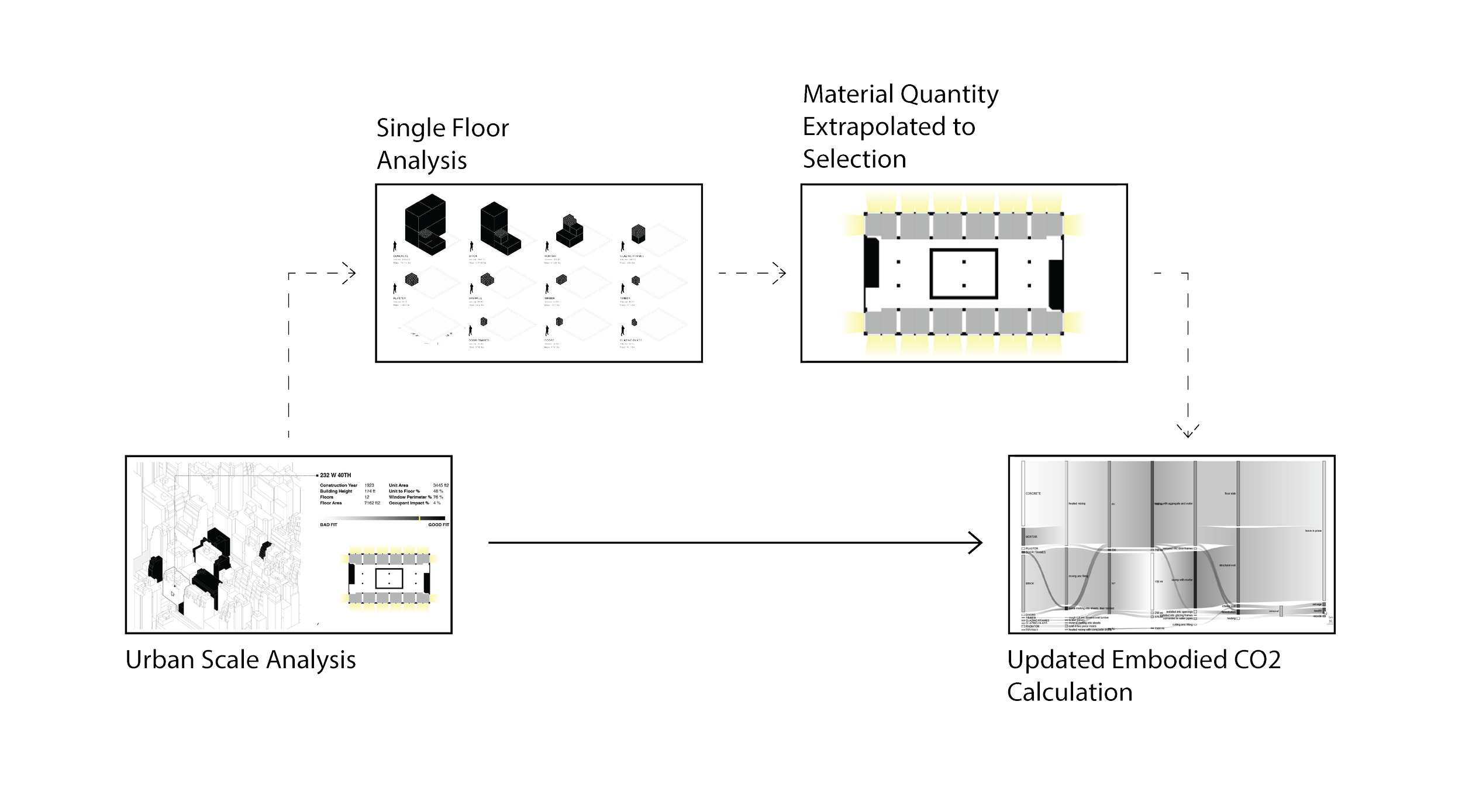
CASE Faculty member Fleet Hower, along with B. Arch. students Moe Kawakami and Acer Van Dis, published a paper that proposes a new method of evaluating existing office buildings for conversion to residential use. The paper, "A Framework to Assess Commercial to Residential Conversion", proposes a web-based analysis that allows users to quickly assess buildings' fitness for conversion to residential use, and estimate the embodied carbon that such a conversion will require.
Hower presented the project on November, 08 at the ACADIA 2025 conference, "Computing for Resilience: Expanding Community Knowledge & Impact " in Miami, Florida. The conference explored building resilience within the context of computation and fabrication in architecture. The theme “invites the exploration of advanced solutions and resilient design methods” that can adapt to current environmental uncertainties. Hower joined architects, designers, and technologists to address pressing questions facing the built environment to explore how innovative computational tools and fabrication techniques can set a new global standard for cities and expand community knowledge and create lasting impacts beyond the field of architecture.
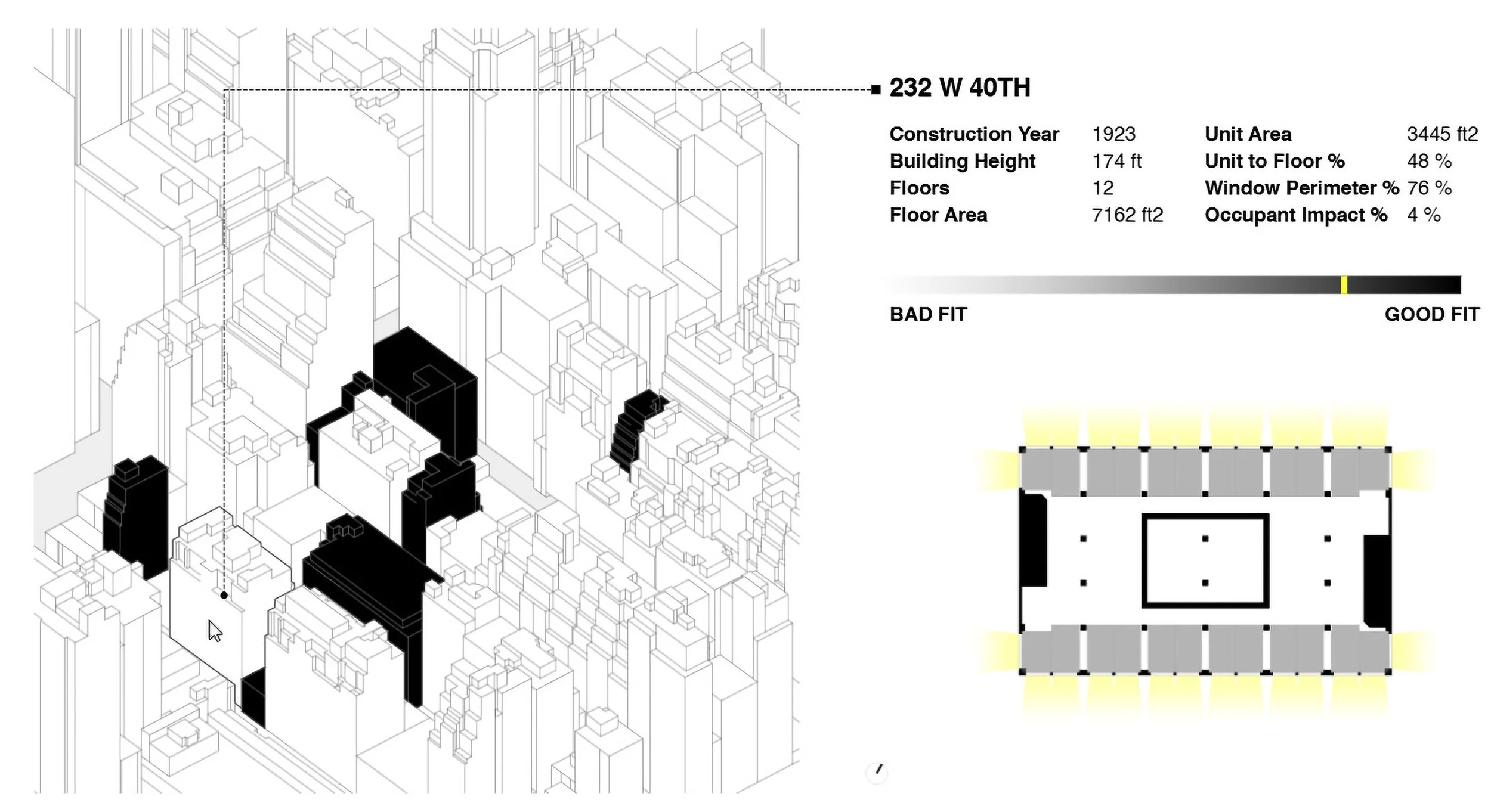
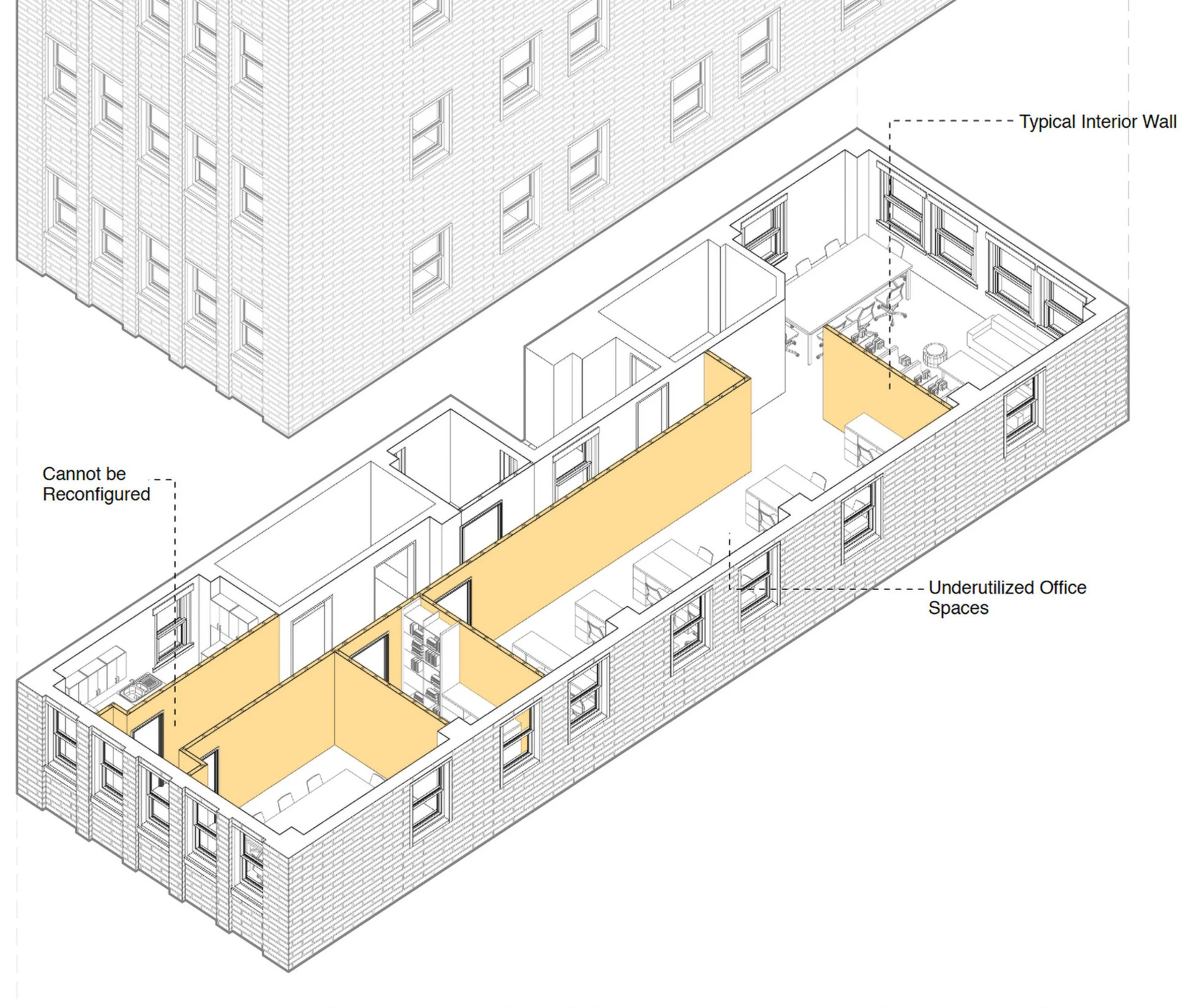
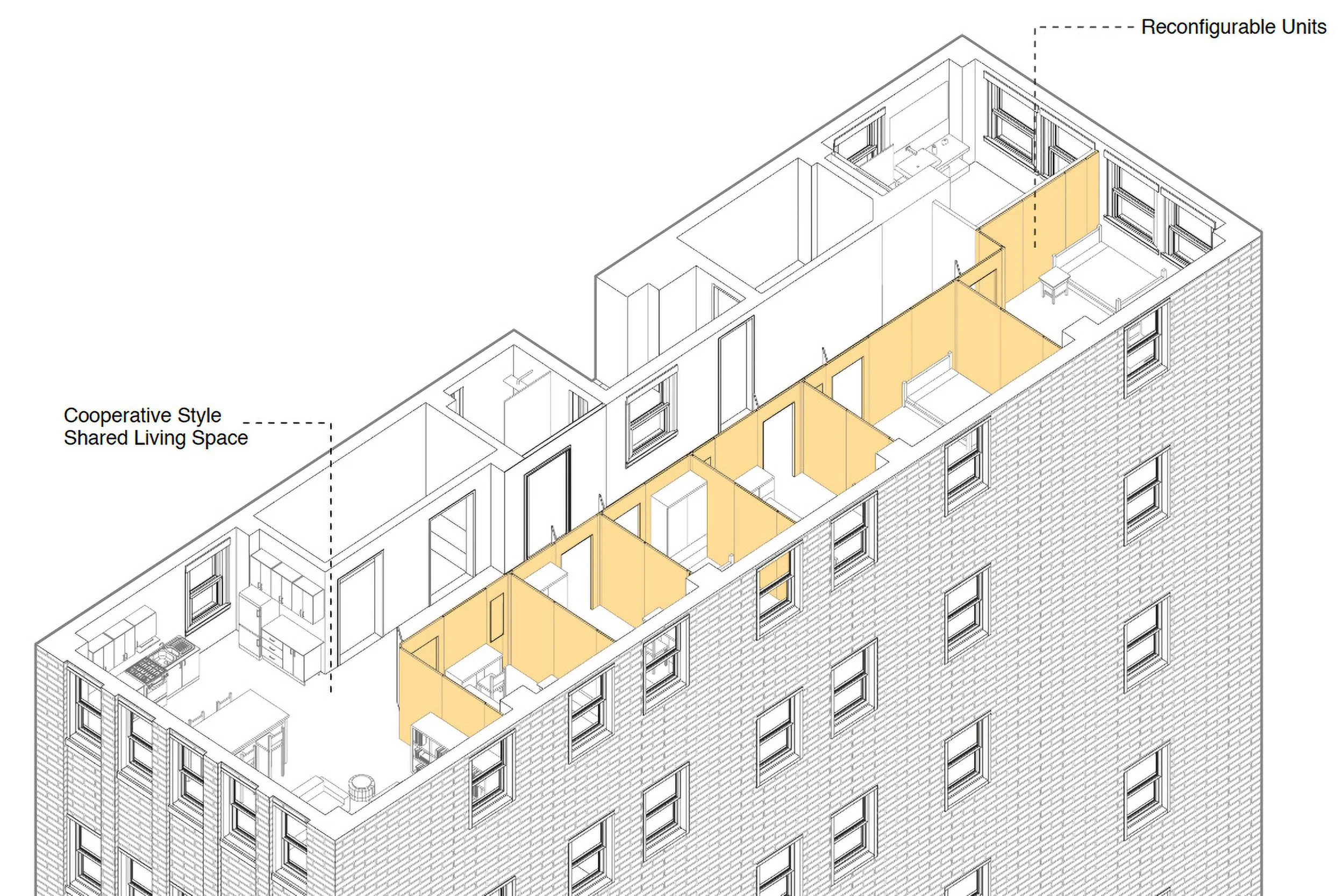
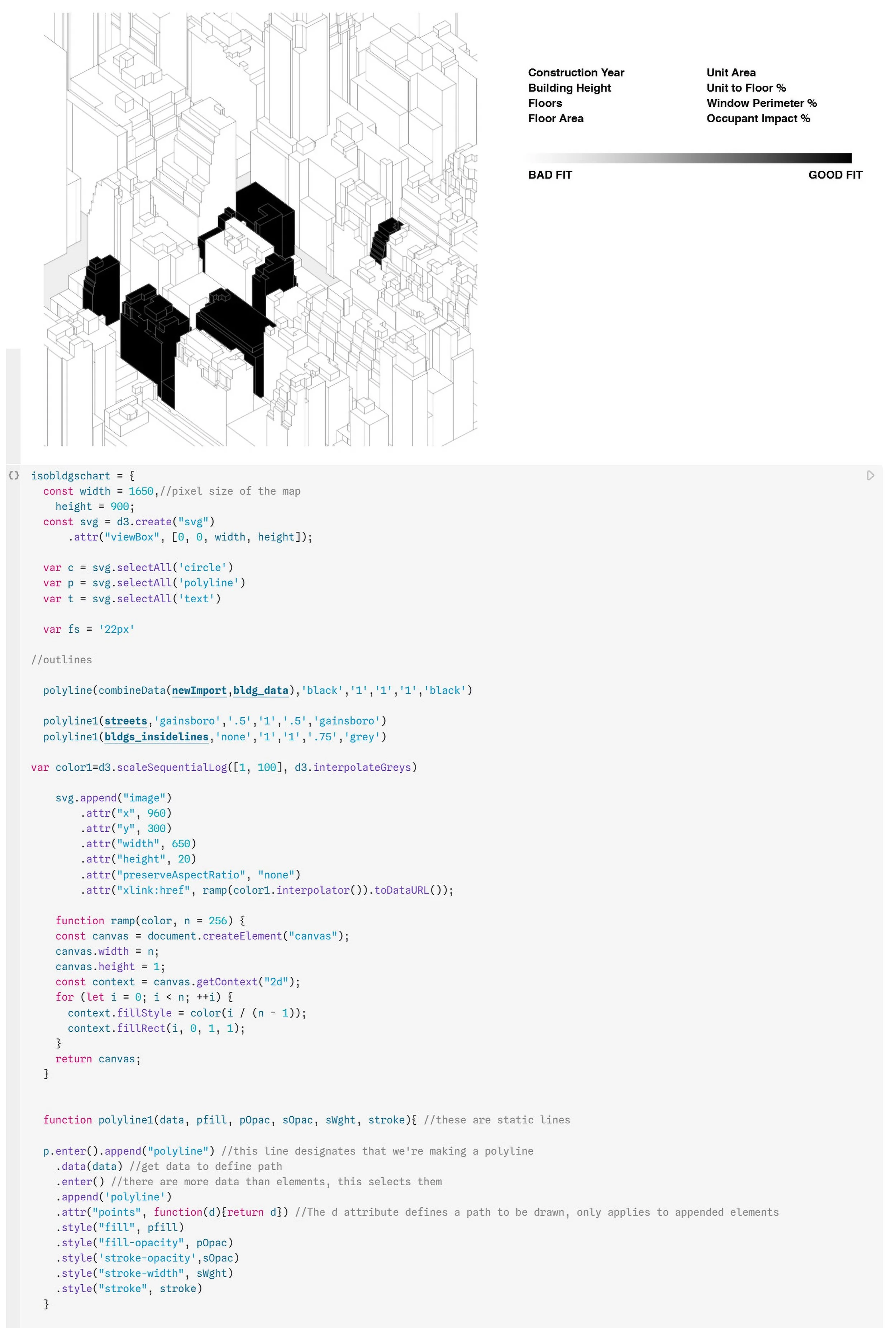
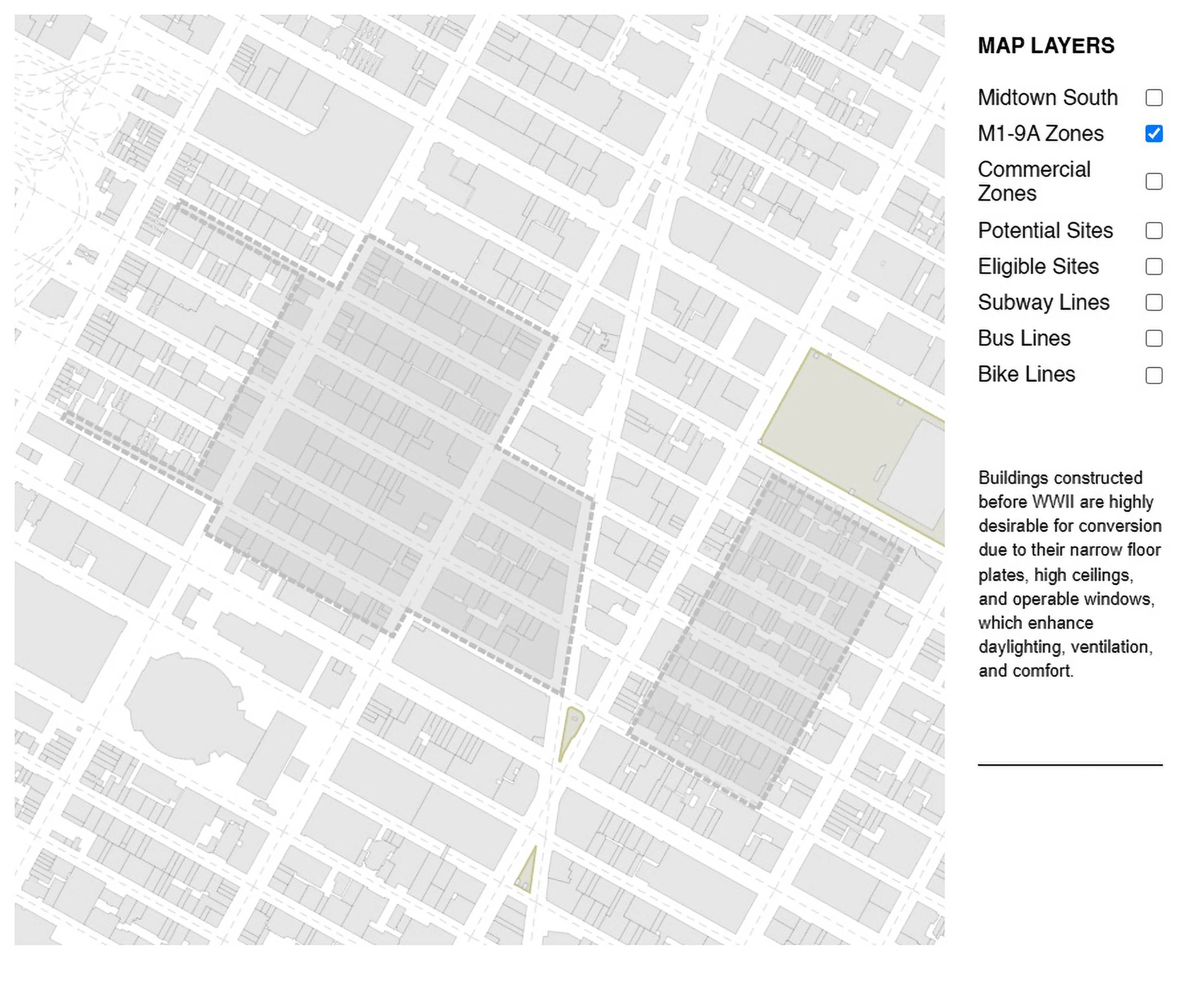
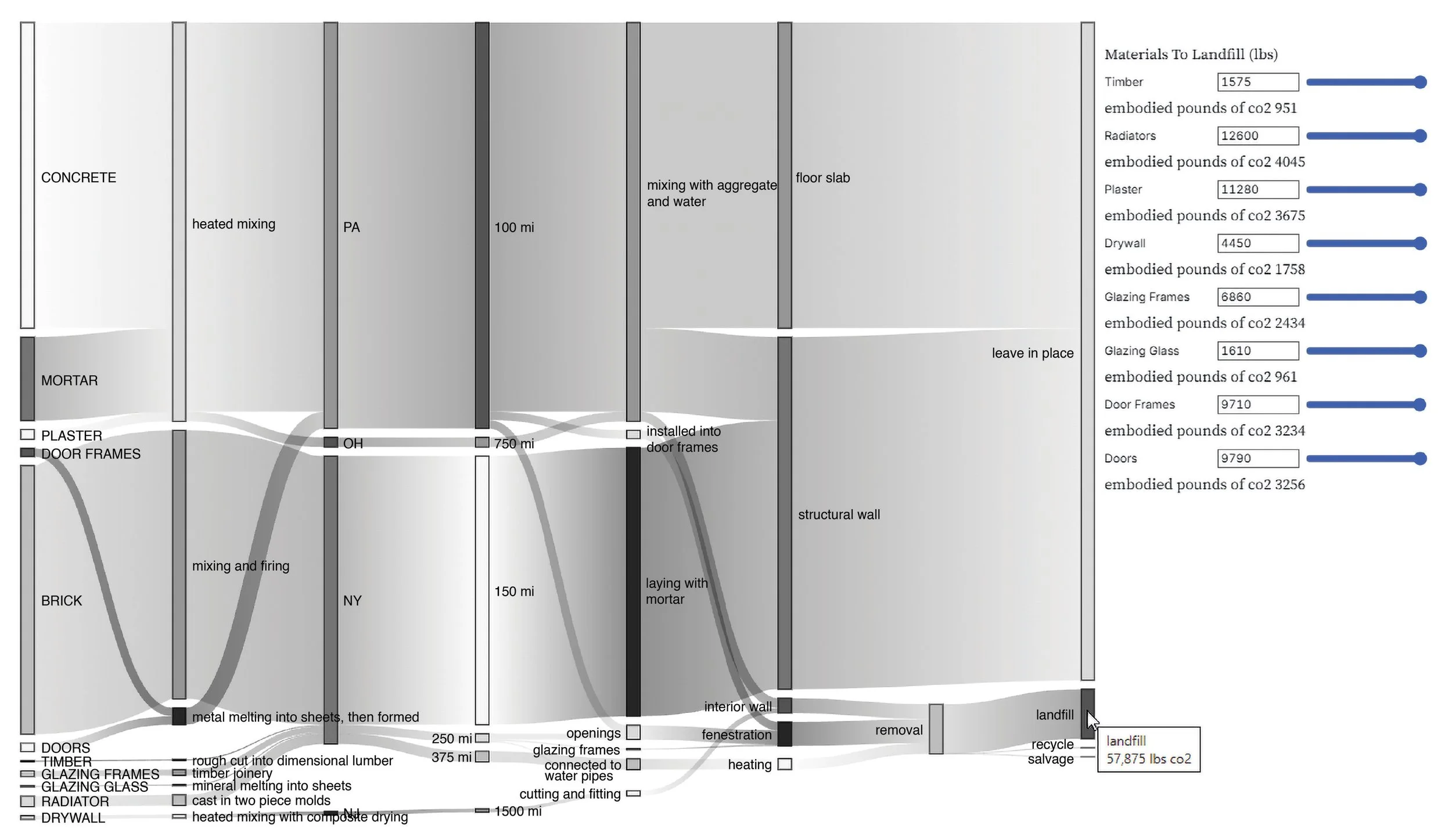
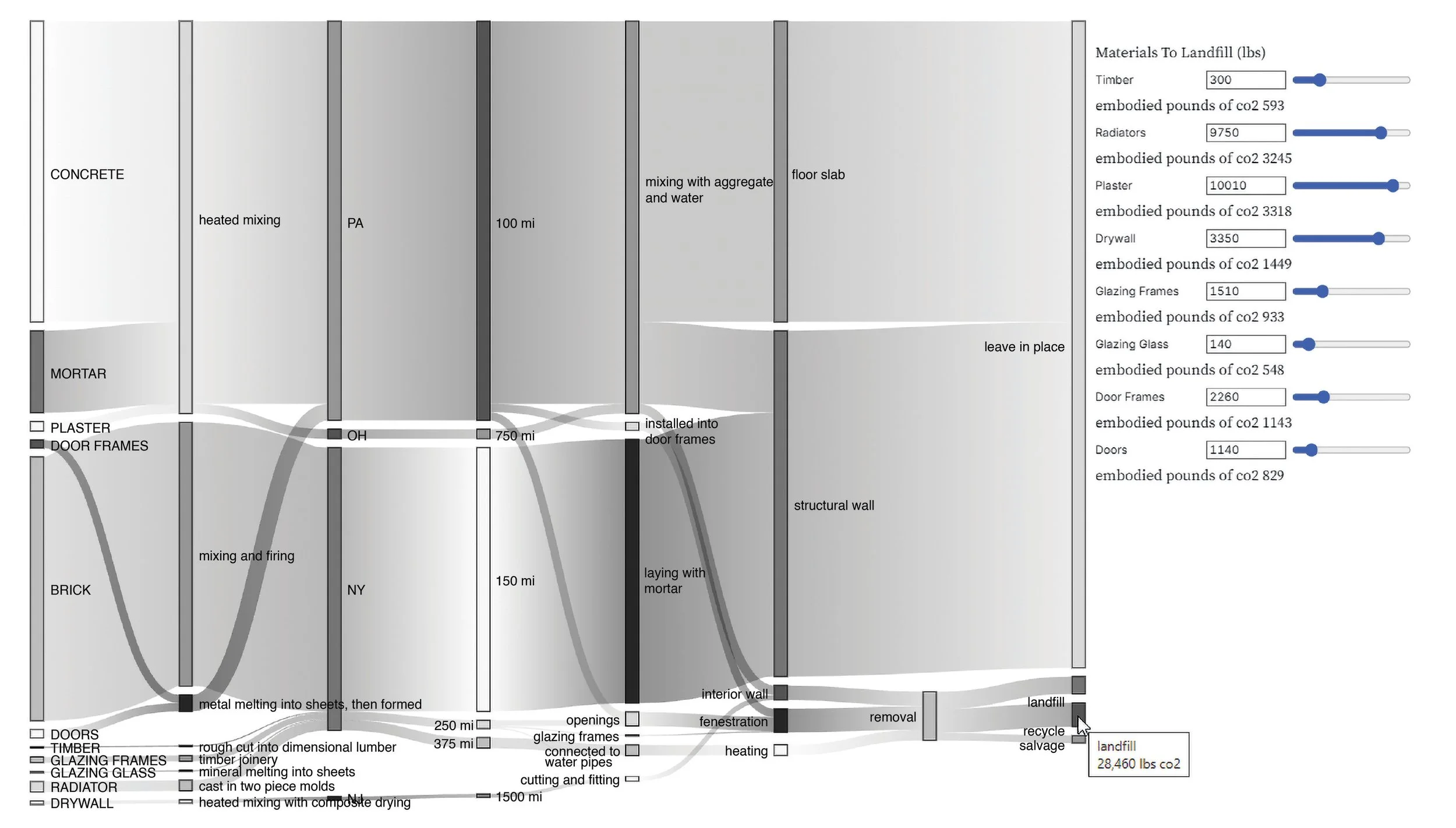
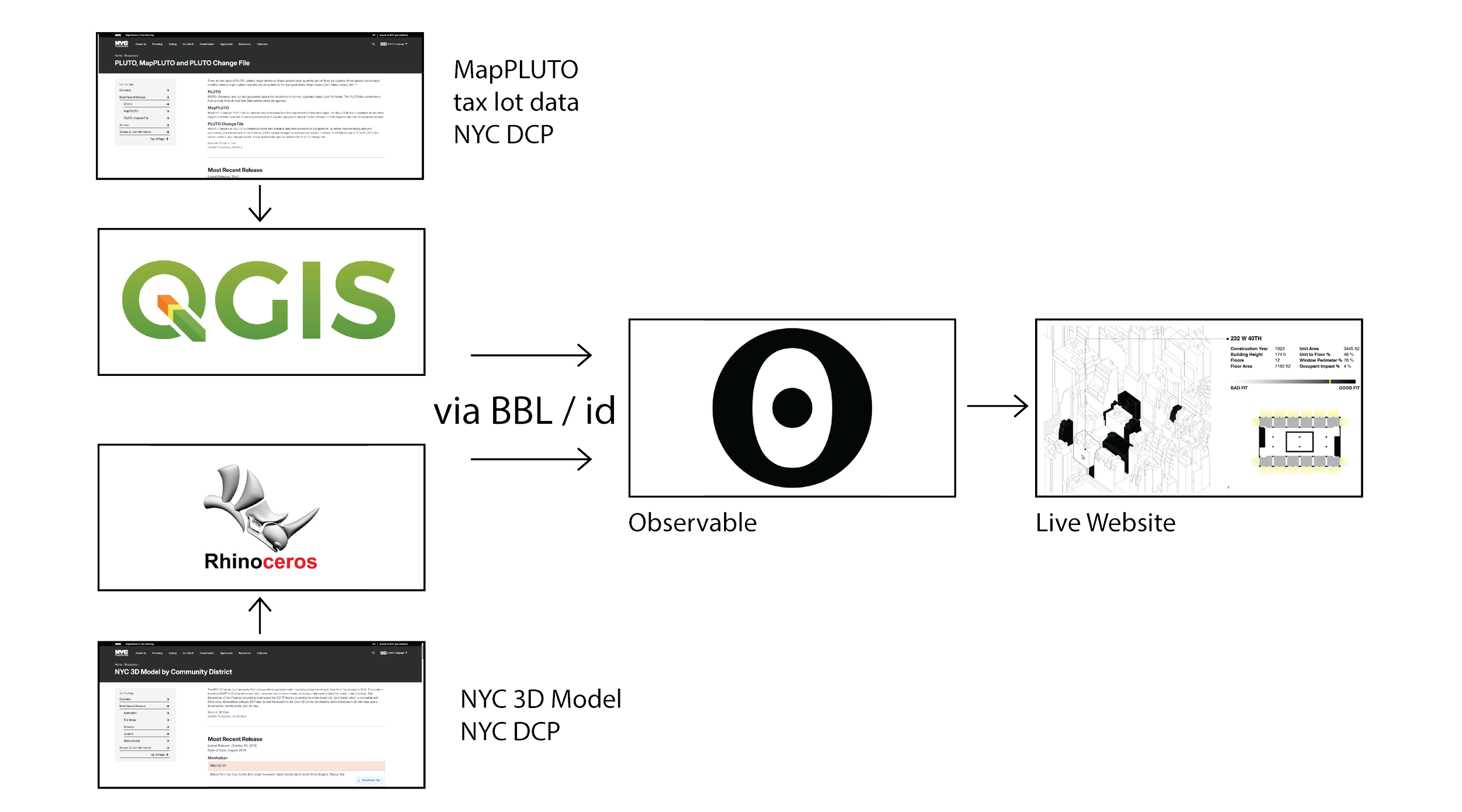
The project, developed out of Hower’s Architecture Studio course in Spring 2025*, uses data from the New York City Department of City Planning's Map, Pluto, and building file data sets, as well as geometry from New York City's digital model file. The analysis tool offers a fitness score based on a building's expected housing unit-to-floor ratio, as well as percentage of window perimeter. The embodied carbon estimate is based on an analysis of major building materials contained in buildings that have been grouped by typology. The prototype of the tool used for this paper was developed specifically to examine the M1-9A special zoning area in midtown Manhattan. However, the tool at large can use city data to look at any NYC neighborhood, laying the groundwork to be able to do analysis at the city-wide scale.
This tool also gives a Life Cycle Assessment (LCA) estimation for building conversion. Historically, it’s been laborious to include the LCA, and which is usually incorporated at the end of a project at all. Adding LCA at the end of the project is often ineffective as it is most useful to inform the start of a project. A larger goal of this research is to incorporate the LCA earlier in the decision-making process, adding a valuable layer of information and analysis when choosing which buildings to convert.
Marking a significant advancement in the evaluation of office buildings for conversion to residential use, the web-based analysis tool not only streamlines the assessment process but also emphasizes the critical consideration of embodied carbon and LCA from the project's inception. Hower's presentation at the ACADIA 2025 conference underscored the importance of resilience in architecture and showcased creativity in innovative computational tools to address contemporary challenges in the built environment. This pioneering framework not only benefits urban planners and architects in New York City but also sets a precedent for similar initiatives globally, encouraging community resilience and environmental stewardship in the context of ongoing urban development.
*This project was developed with guidance from the New York City Department of City Planning.

Media Contact:
Kathie Brill, Program Manager
Brillk@rpi.edu